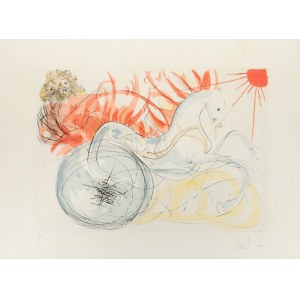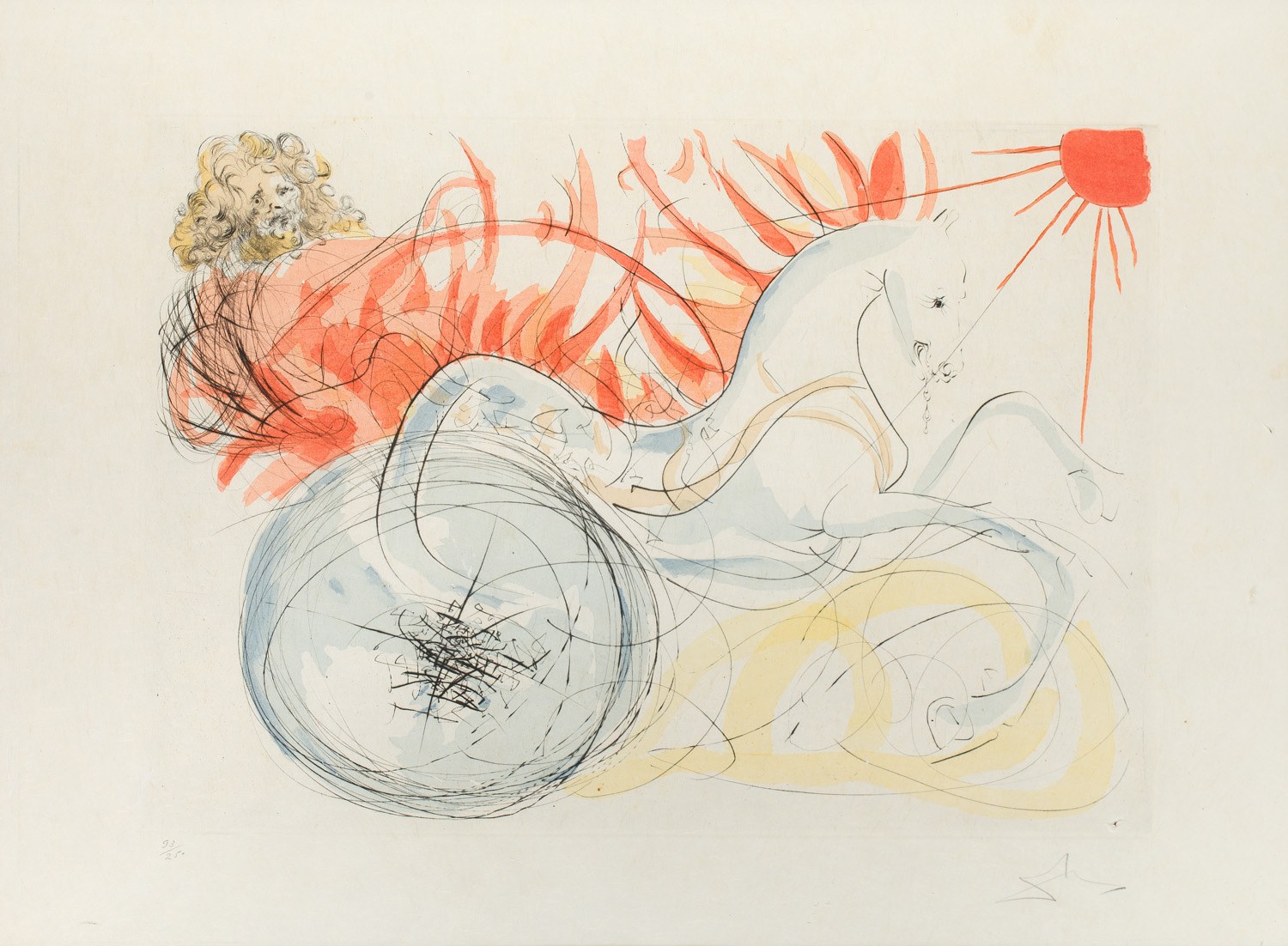
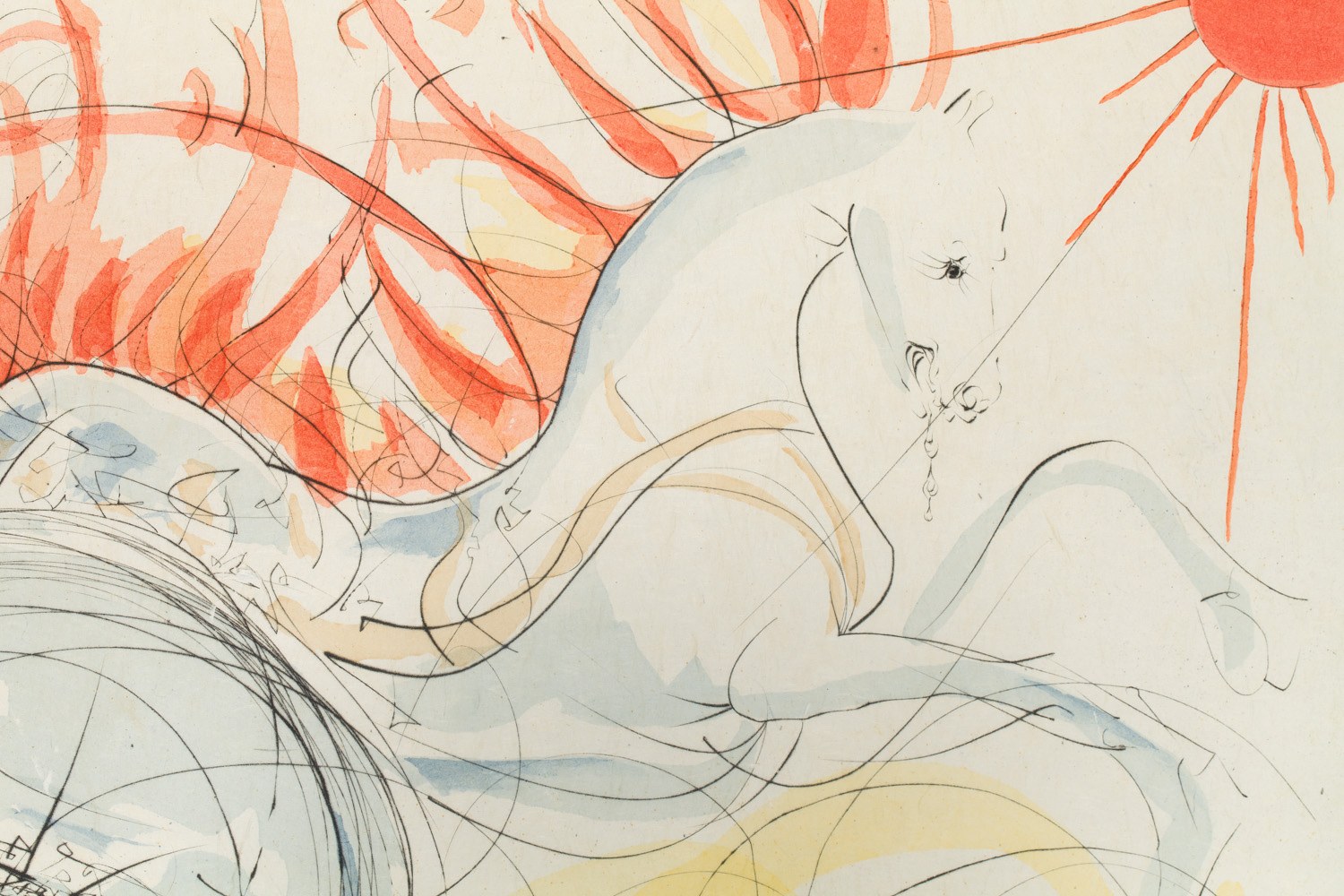
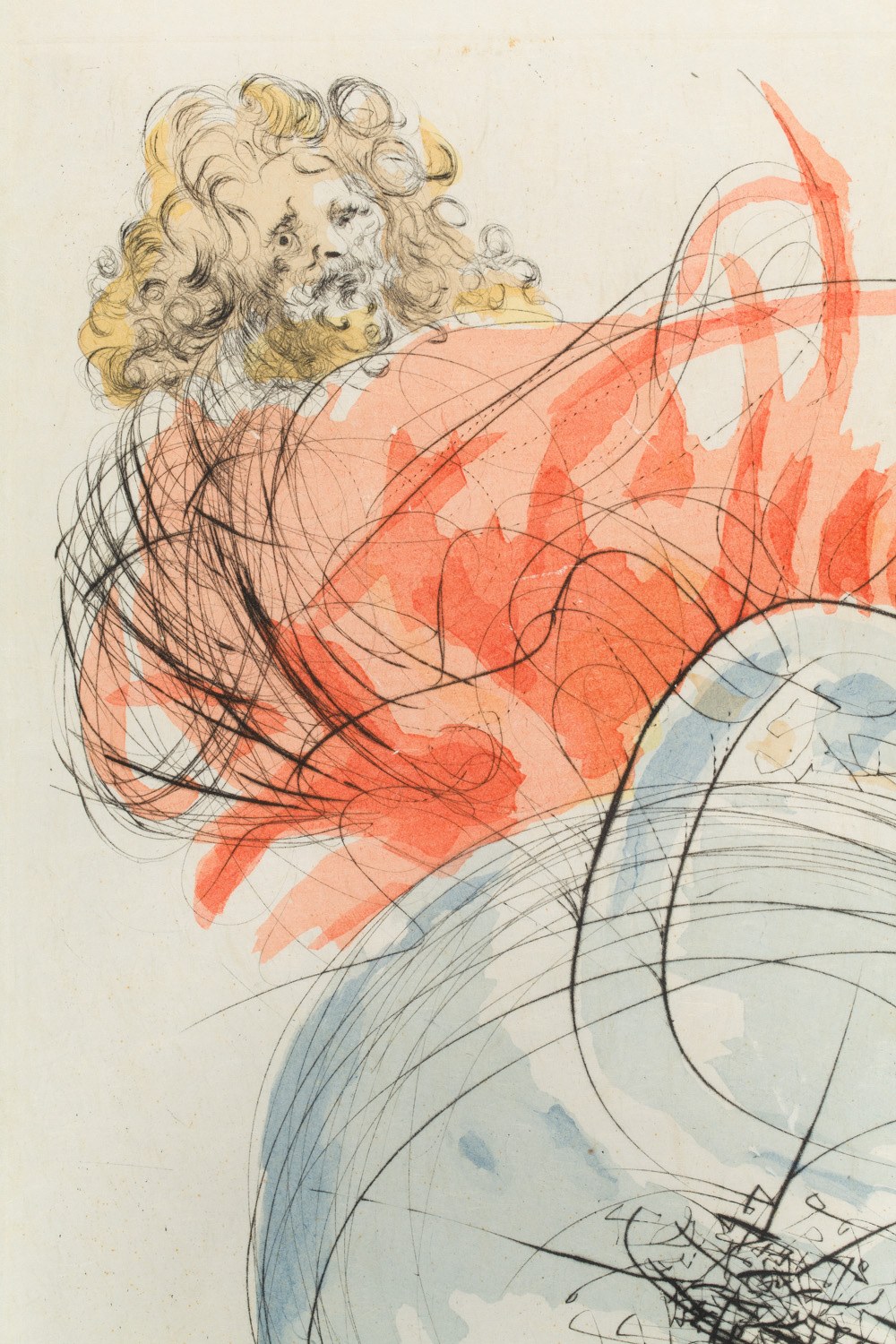
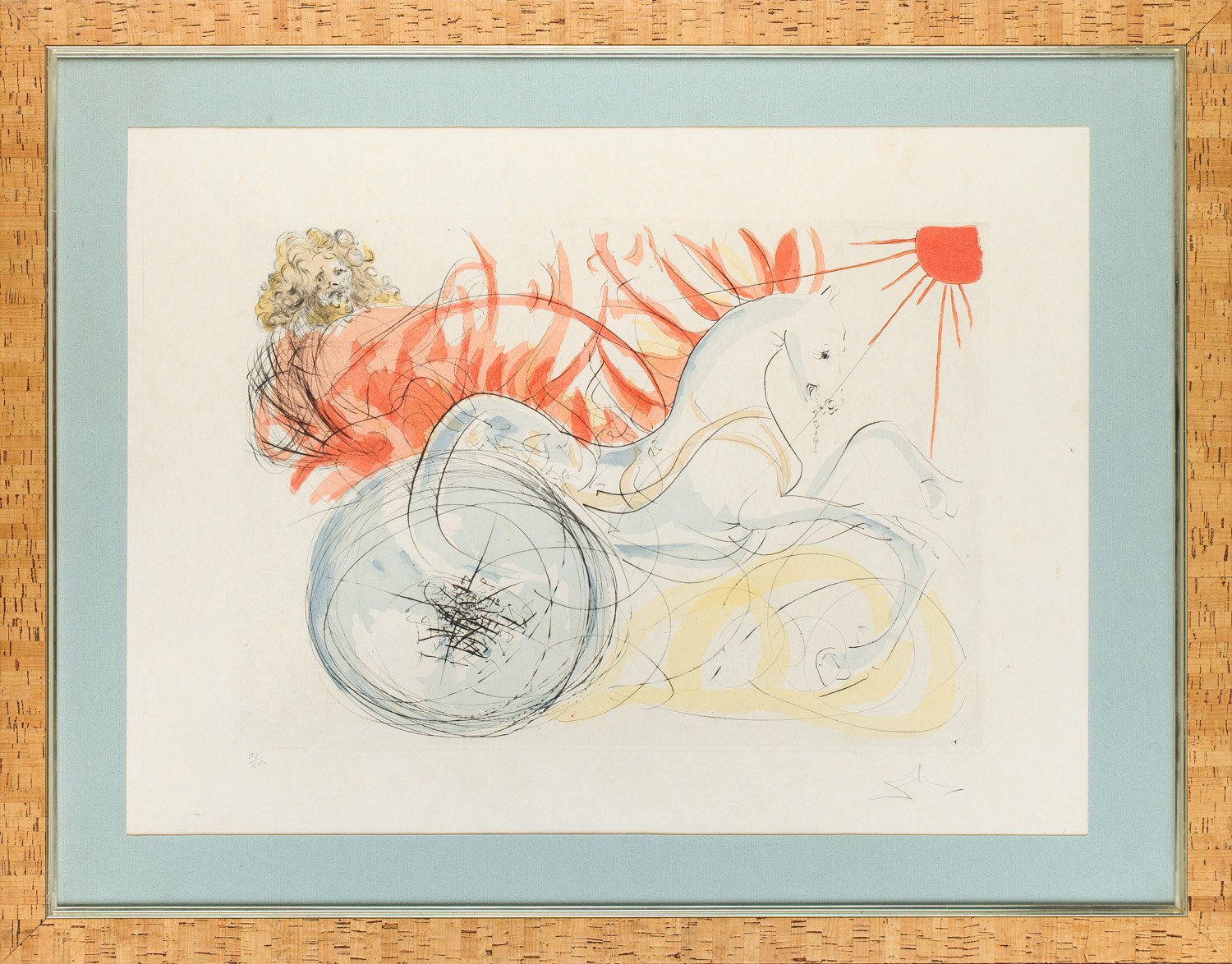
Dimensions: 40 x 56 cm (print)
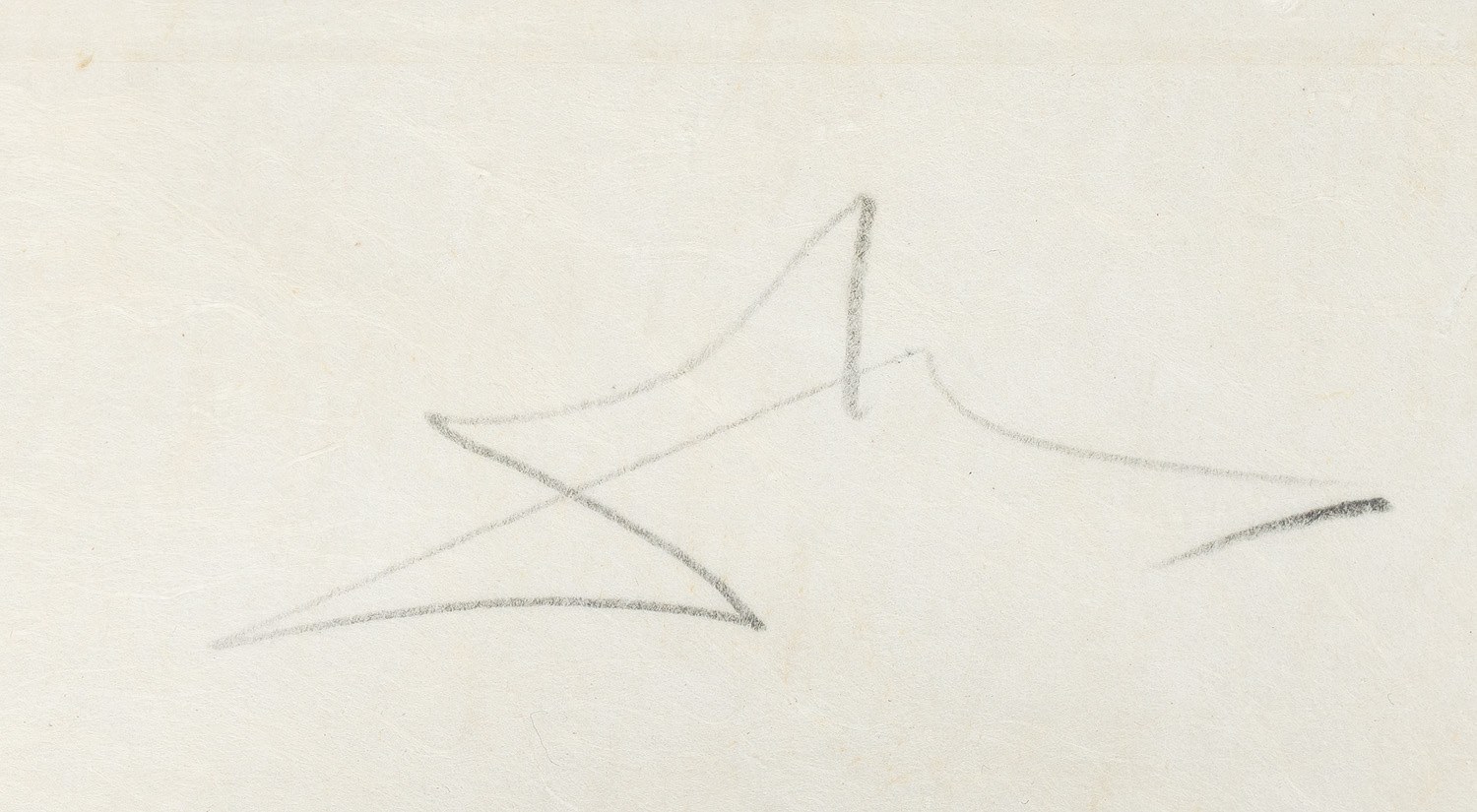
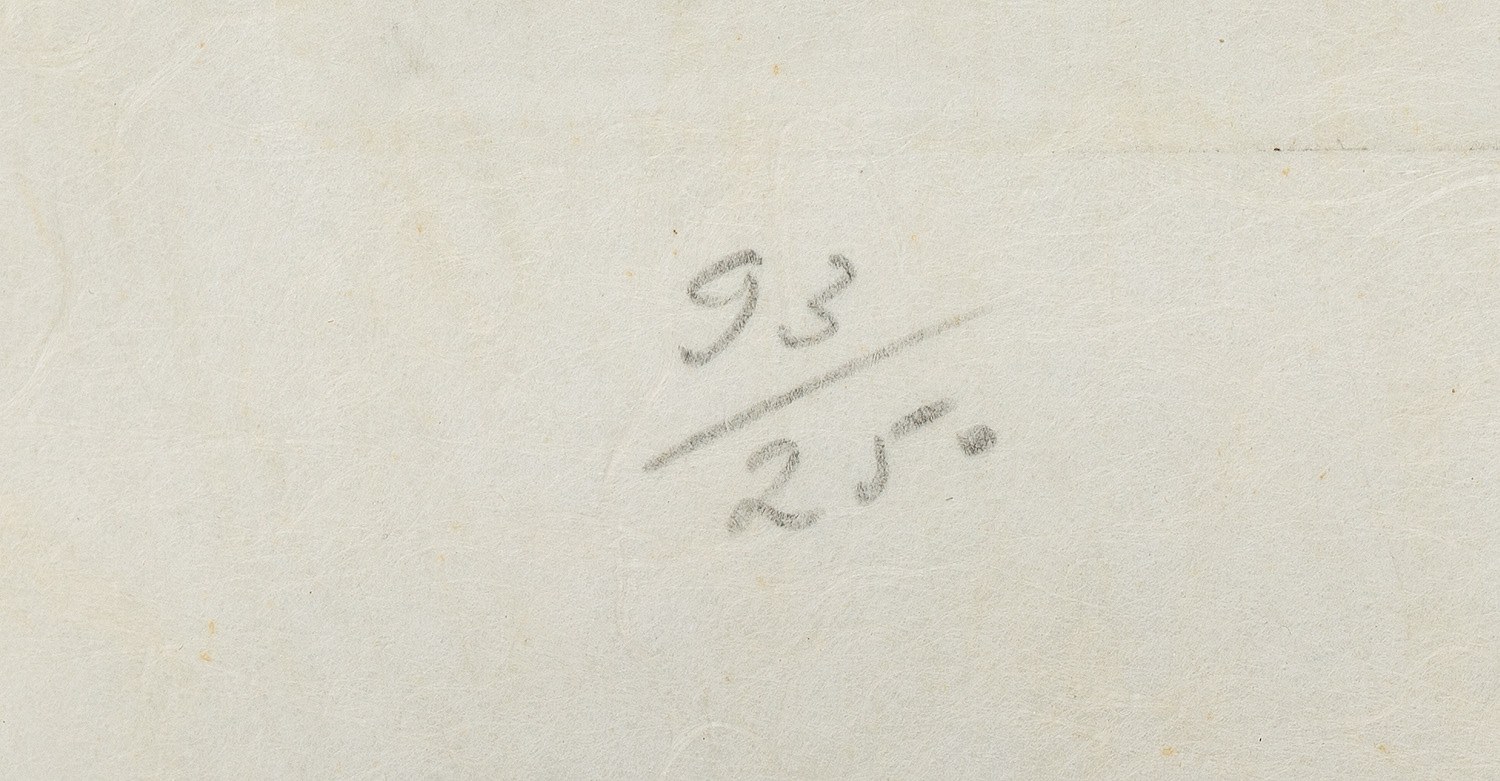
signed and inscribed in pencil at the bottom: '105/250 Dali'
Publisher: Levine and Levine
Biography
One of the most recognizable painters of the 20th century. Known as an extraordinary eccentric and a great talent. Author of a surrealist method of creation called "paranoid-critical". His artistic abilities were noticed already in childhood, hence at the age of 10 young Salvador began to attend drawing lessons. Already as a 14-year-old, he successfully exhibited his paintings for sale. In 1921 he began studying at the Royal Academy of Art in Madrid, from which he was twice expelled due to his uncontrollable temperament. In 1928, the painter moved to Paris, where he joined a group of Surrealists then centered around writer André Breton, creator of the Surrealist manifesto. Dalí quickly gained recognition from the group, but was eventually accused of greed and fascist inclinations and was expelled from it. Since 1929, the artist consistently developed the theory of Surrealism, centered on Sigmund Freud's achievements in the study of the subconscious. In the 1930s the artist spent a lot of time in the United States where he slowly climbed the career ladder. In 1934 the painter married Helena "Gala" Diakonova, a companion, a muse, an artist who had a great influence on his work. It was to her that he owed the supervision of his work and, consequently, much success in the following years. In addition to a multitude of stunning paintings and exhibitions, Dalí attracted media attention with his self-created image as a "surrealist jester," which quickly made him recognizable and made him very rich. In 1948 he and Gala returned to Europe, where they killed time in magnificent Spanish and French residences. In 1974, the artist opened his own museum in his hometown of Figueres, whose edifice he designed himself. To this day, Dali's art circulates pop culture, is a trademark, and his paintings are a symbol of surrealism.