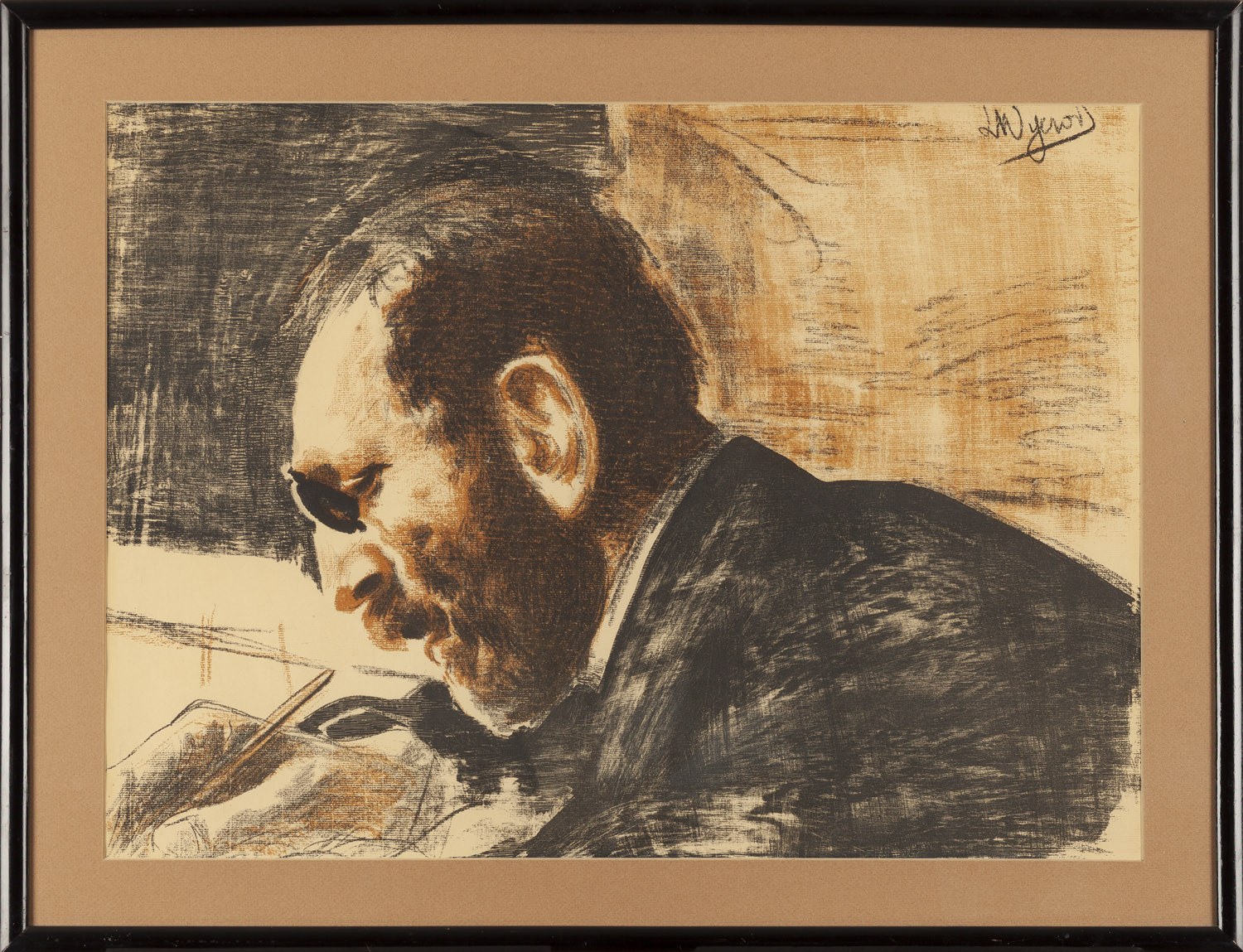
Dimensions: 41 x 55.5 cm
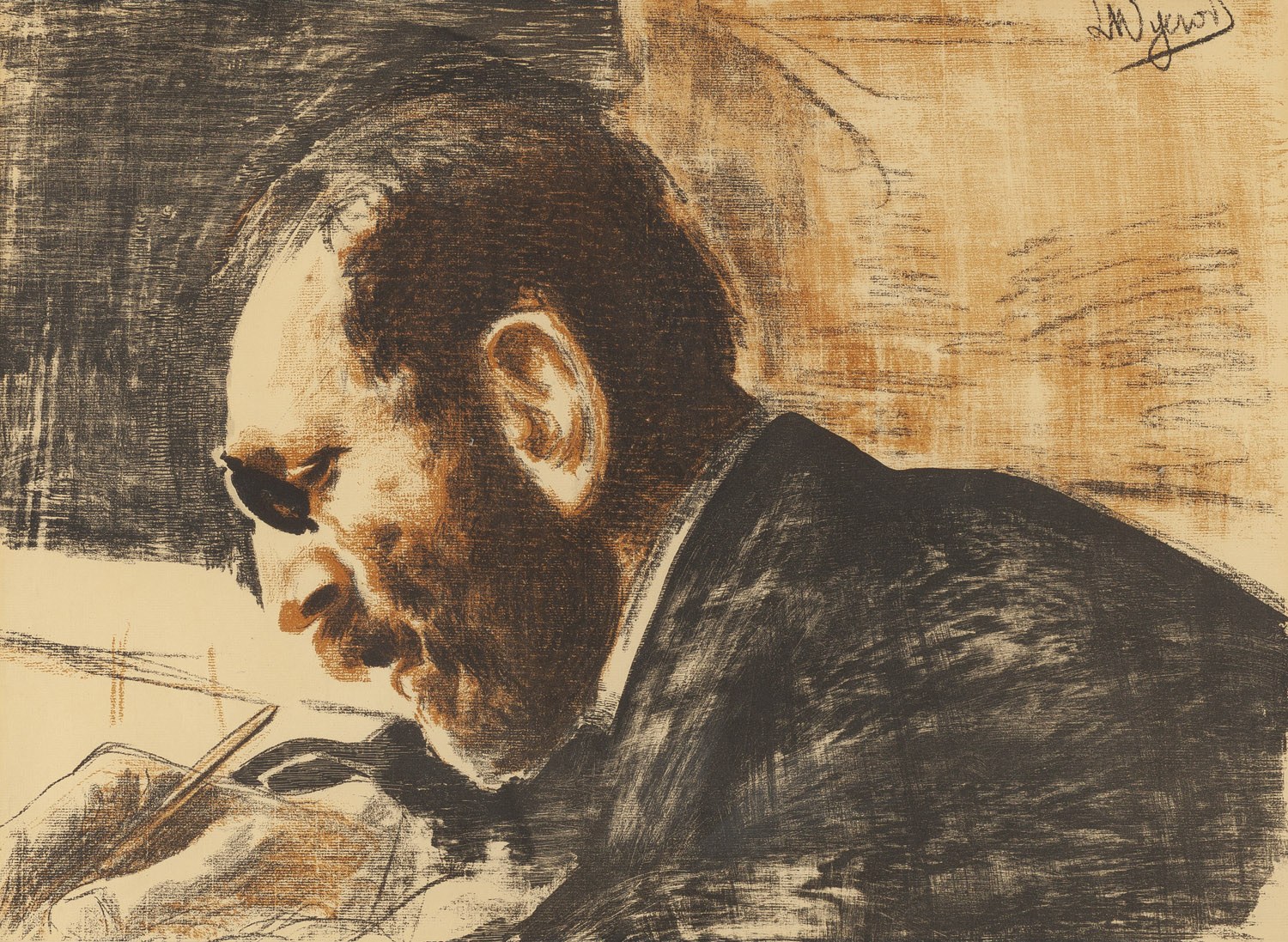
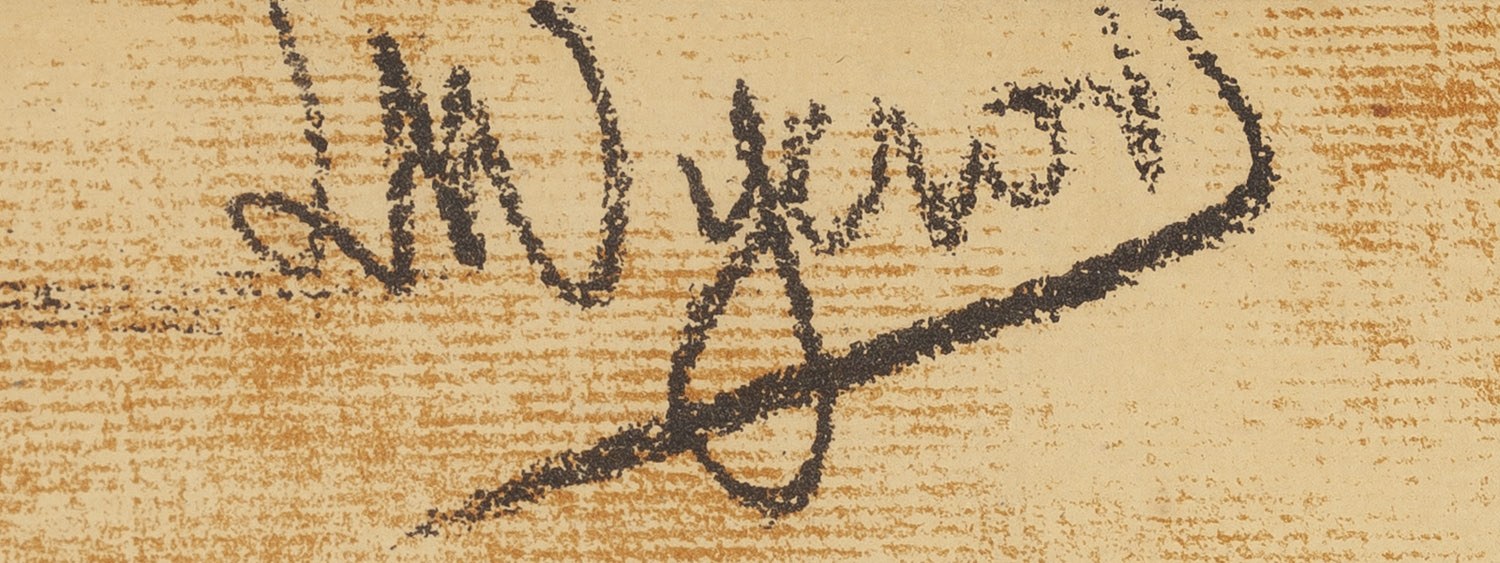
signed on stone p.g: 'LWyczół'
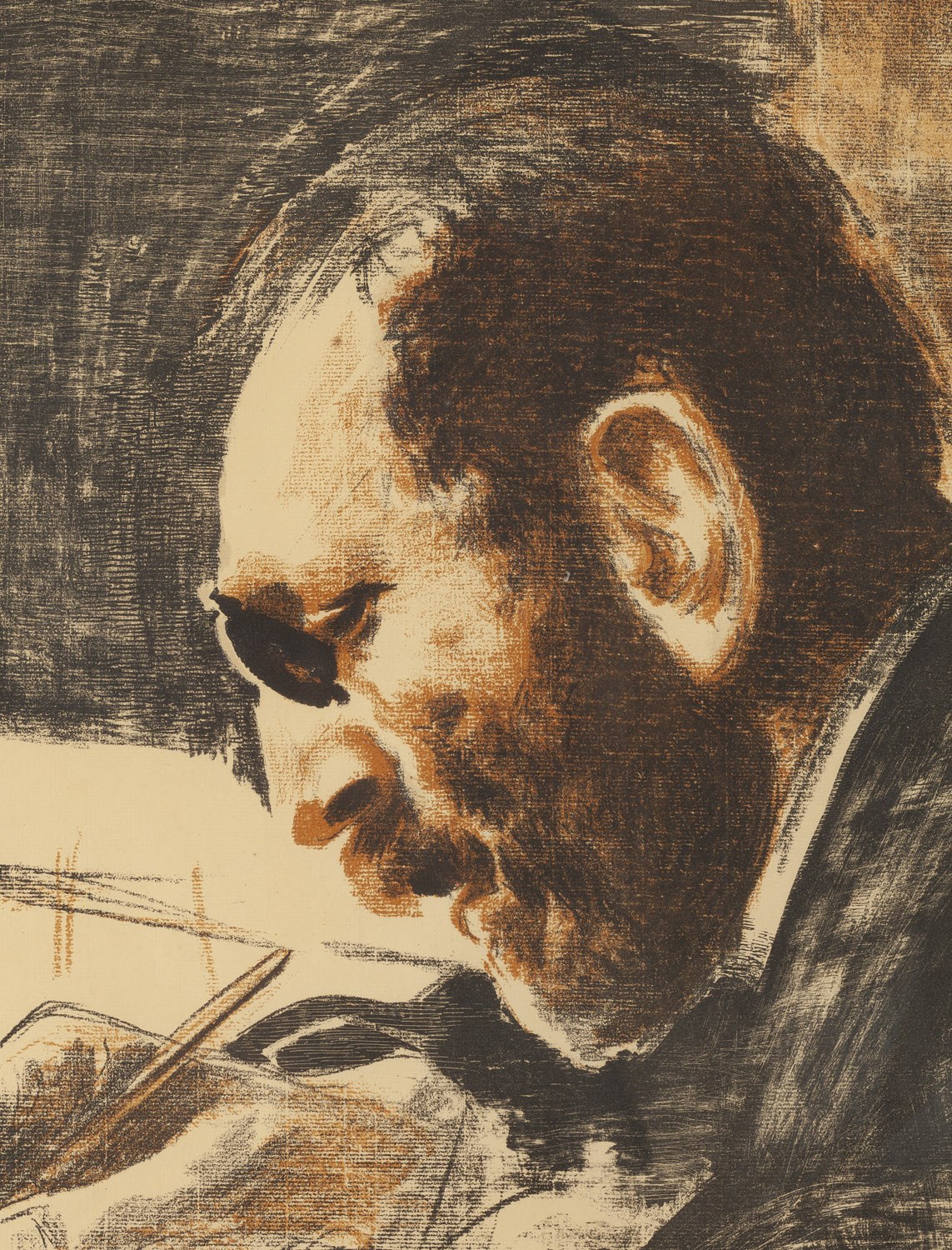
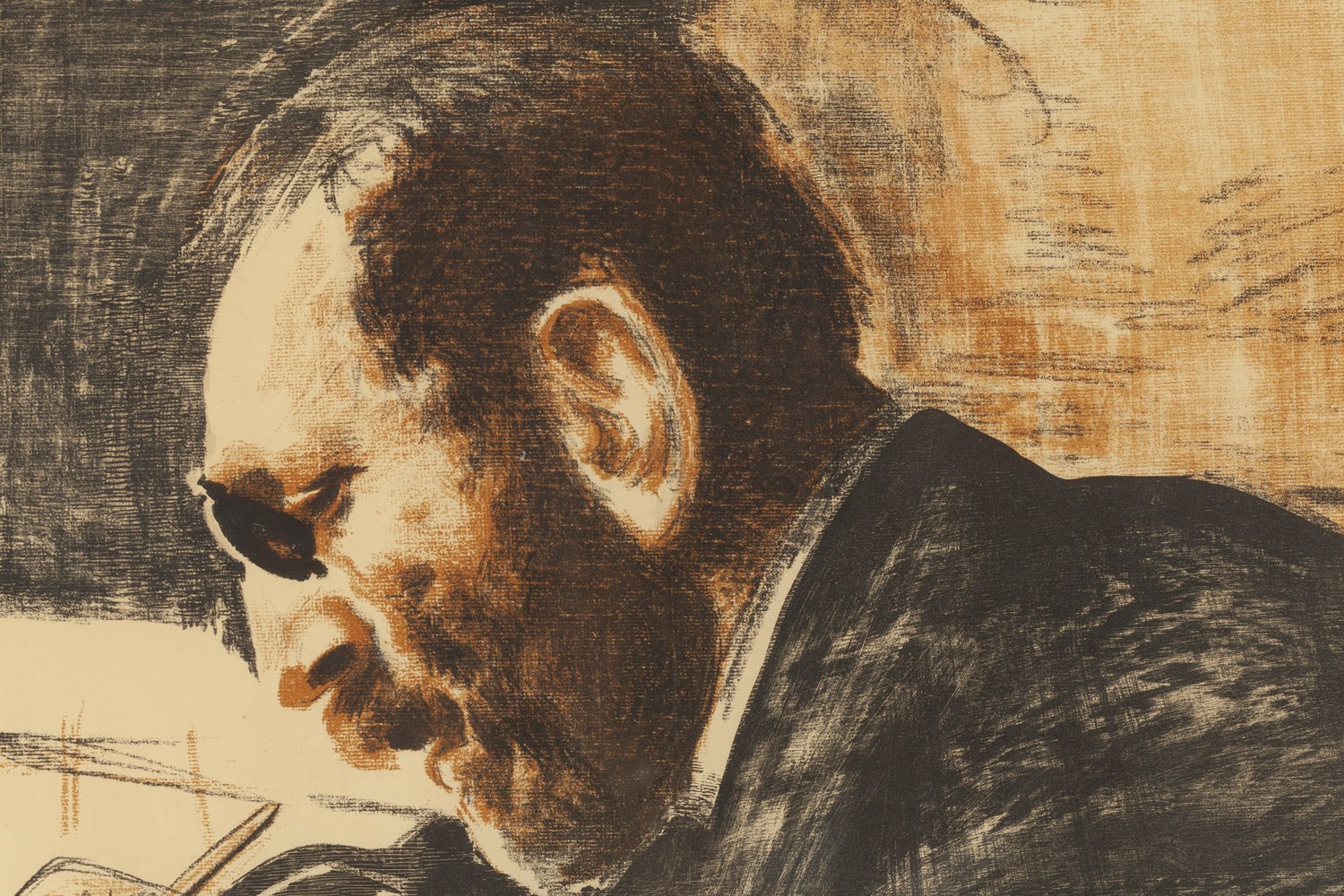
The work comes from Teki Grafików Polskich. Printed at W. Kornecki's, the lithographs were printed with the artists at the Aureliusz Pruszyński Art Works (then managed by his son Zenon) by specialized printers Julian Litwinski and Stanislaw Kucharczyk.
Origins
private collection, Warsaw
Literature
Cf:
Dorota Muszanka, Litografia Leona Wyczółkowskiego, Wrocław-Kraków1958, pp. 50-51. Maria Twarowska, Leon Wyczółkowski, Warsaw 1962, p. 35, il. 115.
Leon Wyczółkowski, exhibition catalog, Chelm Lubelski 1993, p. 28, cat. no. 54, il. 38.
Fin de siecle. Polnische Graphik 1890-1916, 1998, p.51 item 72 il. (cover, p.42)
Graphic Arts Enthusiasts and Their Collections, National Museum in Warsaw, Warsaw 2006, p.102, item III.31
Biography
From 1869 to 1875 he studied at the Drawing Class in Warsaw with W. Gerson, A. Kaminski, R. Hadziewicz, among others. He continued his education at the Academy in Munich, and in 1877-1879 he attended the Academy of Fine Arts in Cracow, where he studied with J. Matejko. From 1895 to 1911 he was a professor at the Academy of Fine Arts in Cracow, and from 1934 he held the chair of graphics at the Academy of Fine Arts in Warsaw. In 1889 he traveled to Paris, where he encountered Impressionism. At first he painted historical and genre paintings, later realistic portraits and fashionable salon scenes. During his stay in Ukraine from 1883 to 1893, he mainly created scenes depicting fishermen and peasants, addressing issues of light and color. After 1895, he briefly succumbed to the influence of symbolism, before turning to a kind of colorism. He mainly used pastel, watercolor and ink. He painted atmospheric landscapes, mainly of the Tatra Mountains, architectural monuments, still lifes, especially flowers. He also created stylistically diverse, insightful portraits. From around 1918 he took up printmaking (etching techniques, autolithography). His work is counted among the most outstanding artistic phenomena in Polish art at the turn of the 19th/20th century.