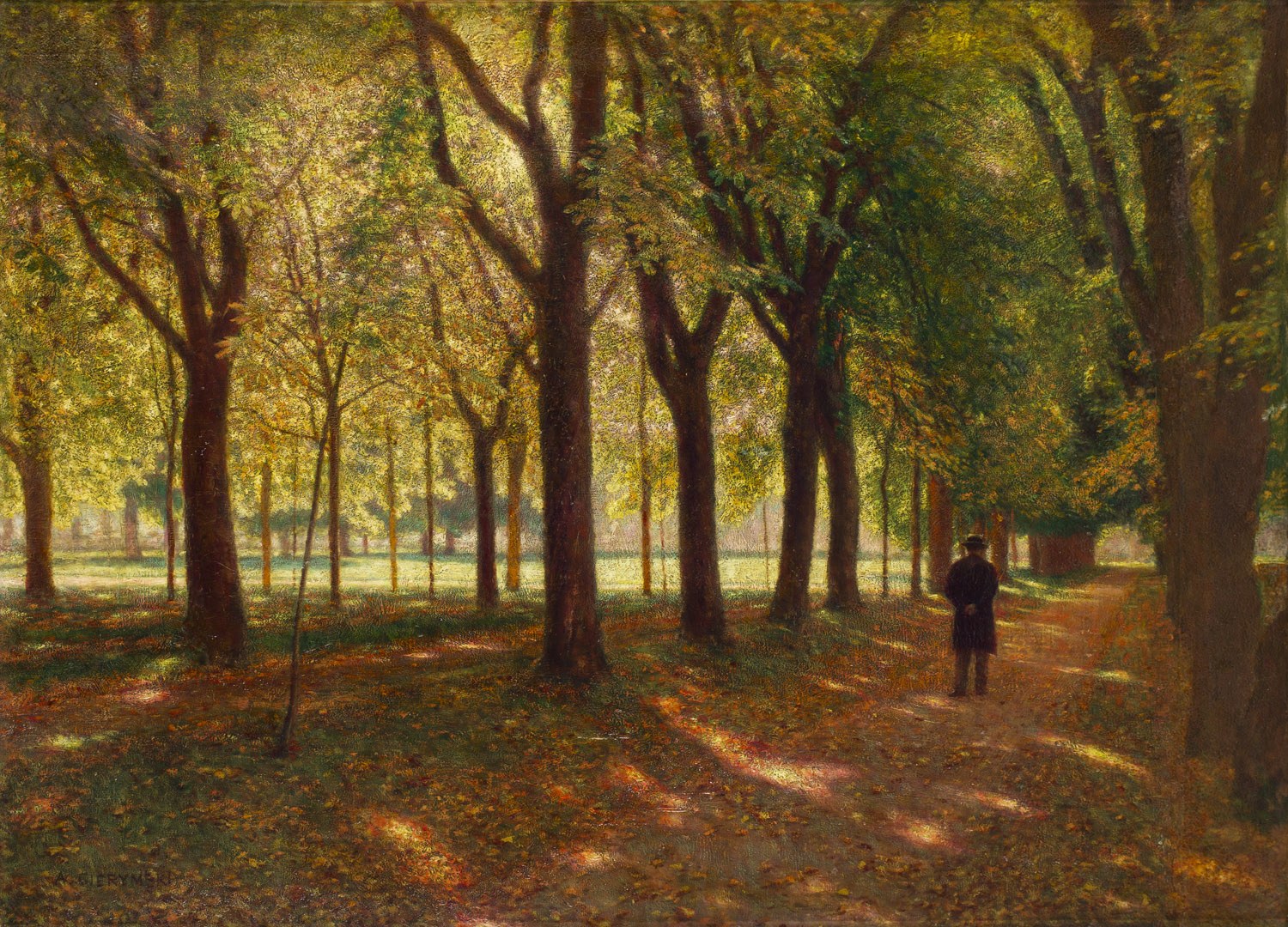
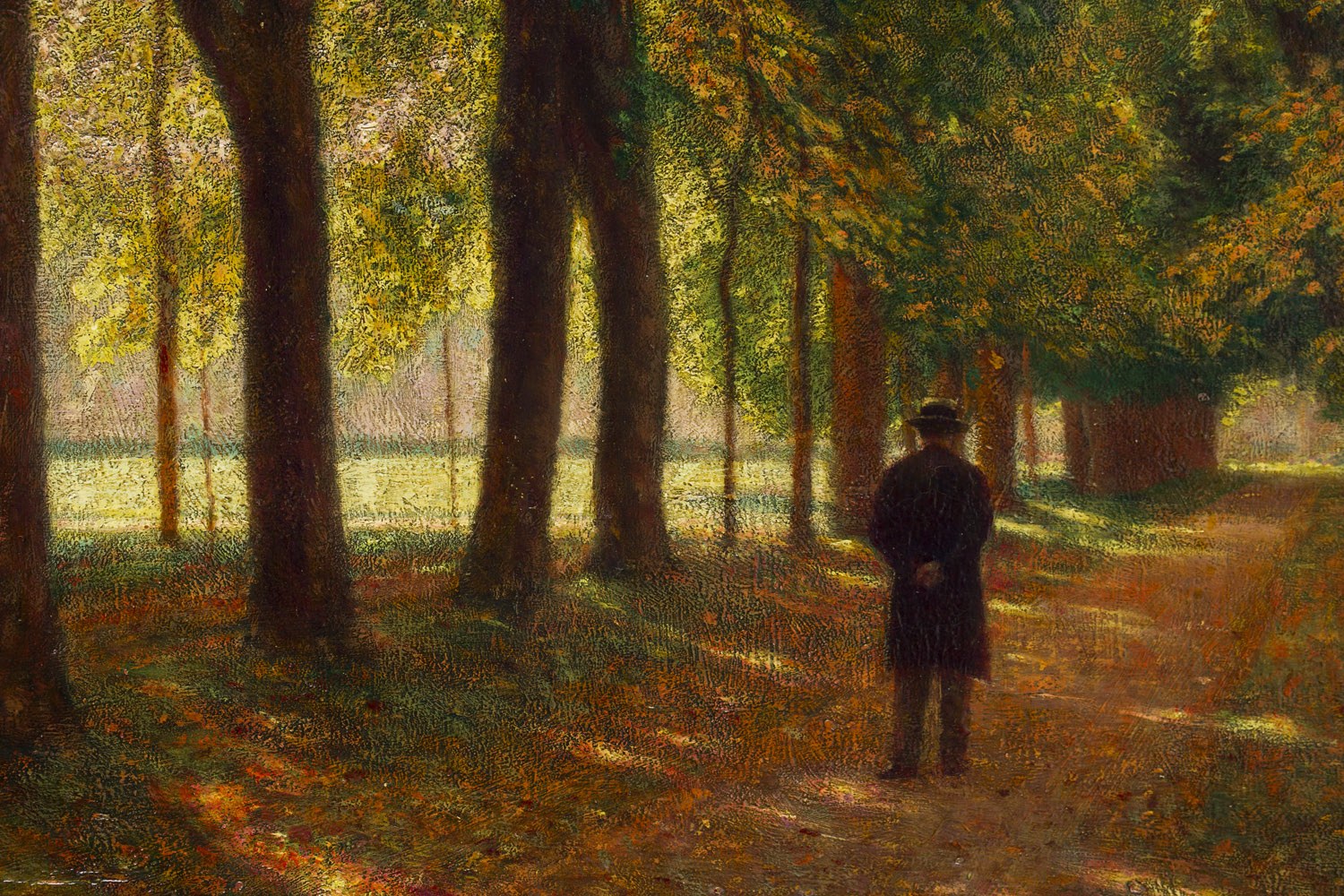
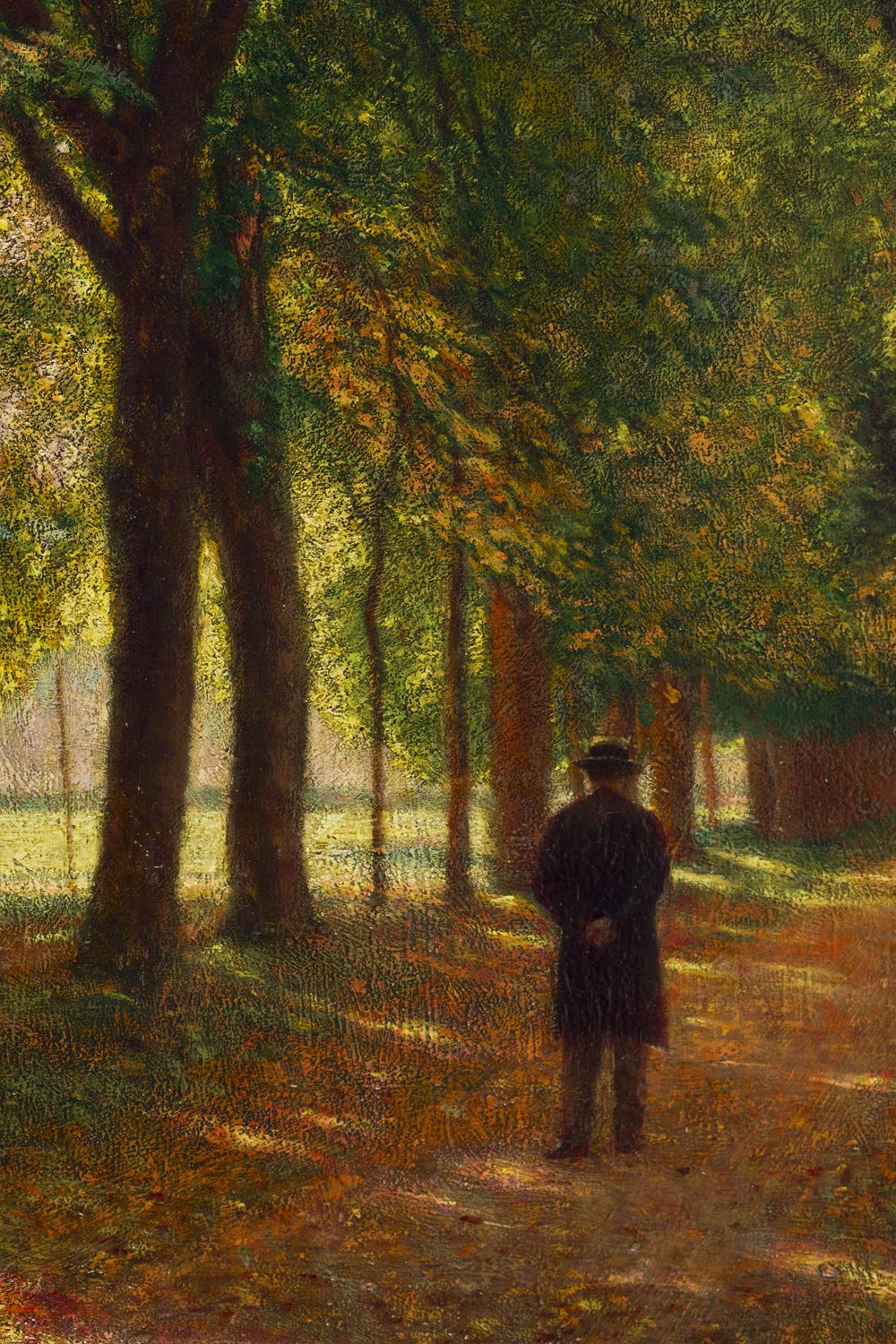
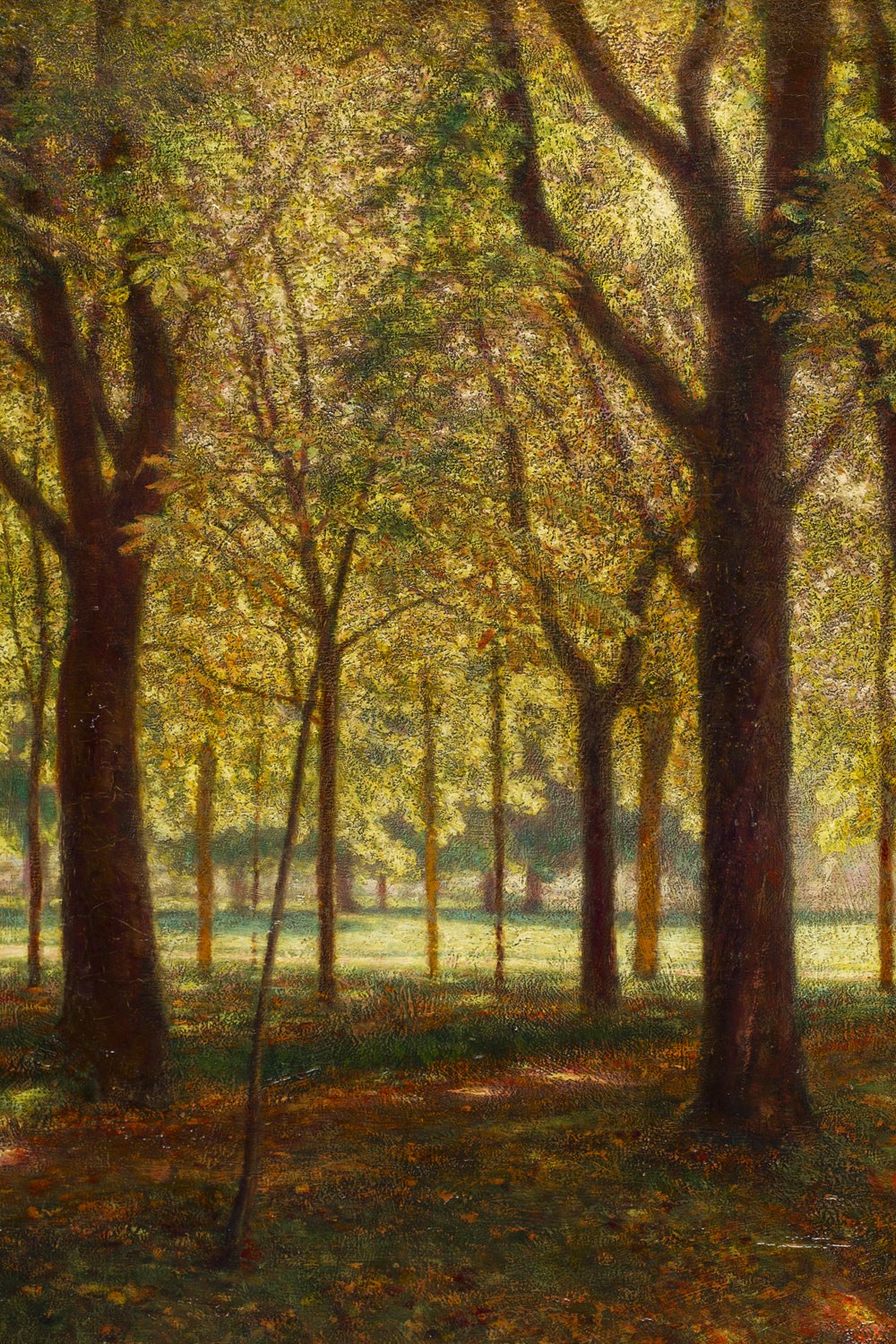
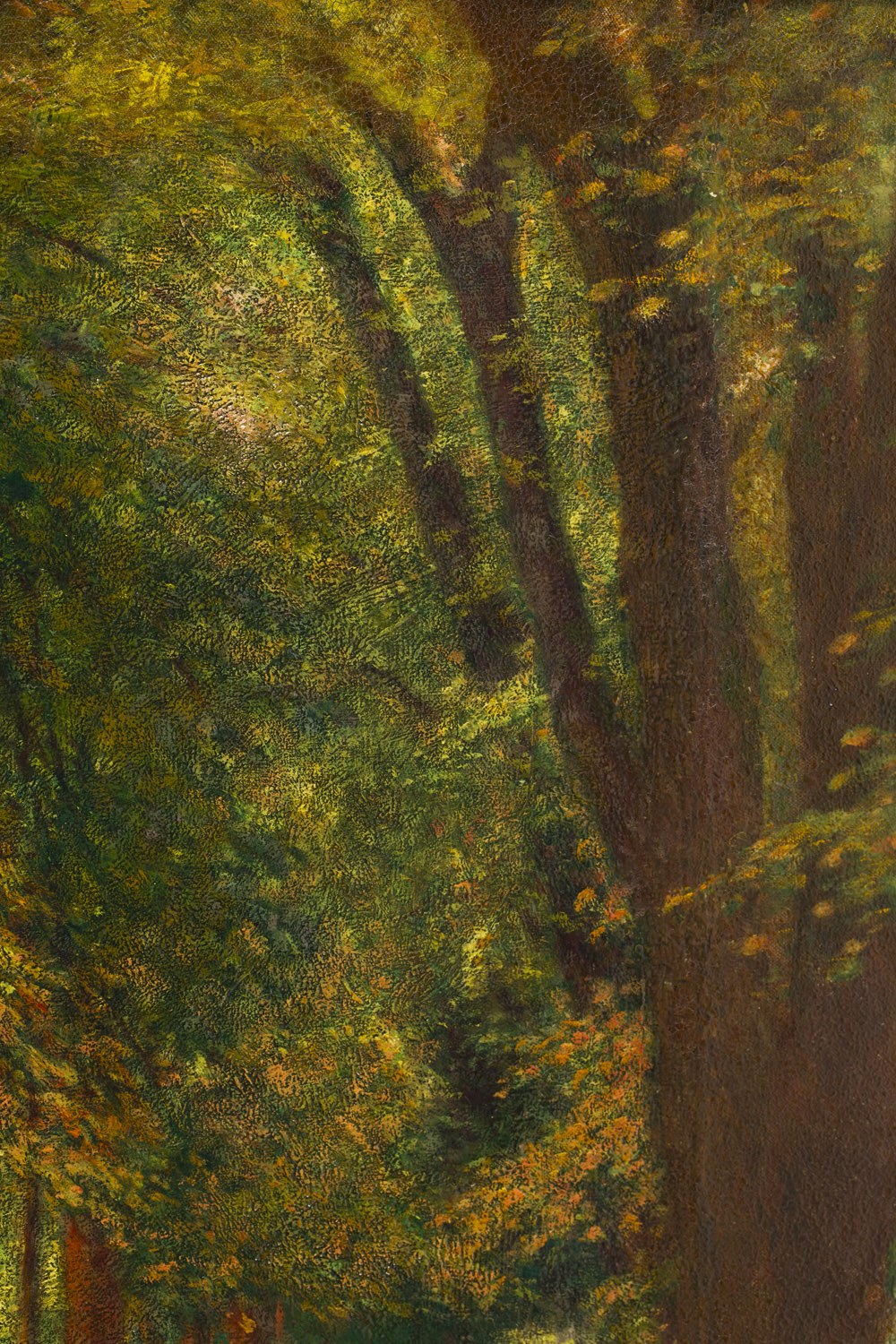
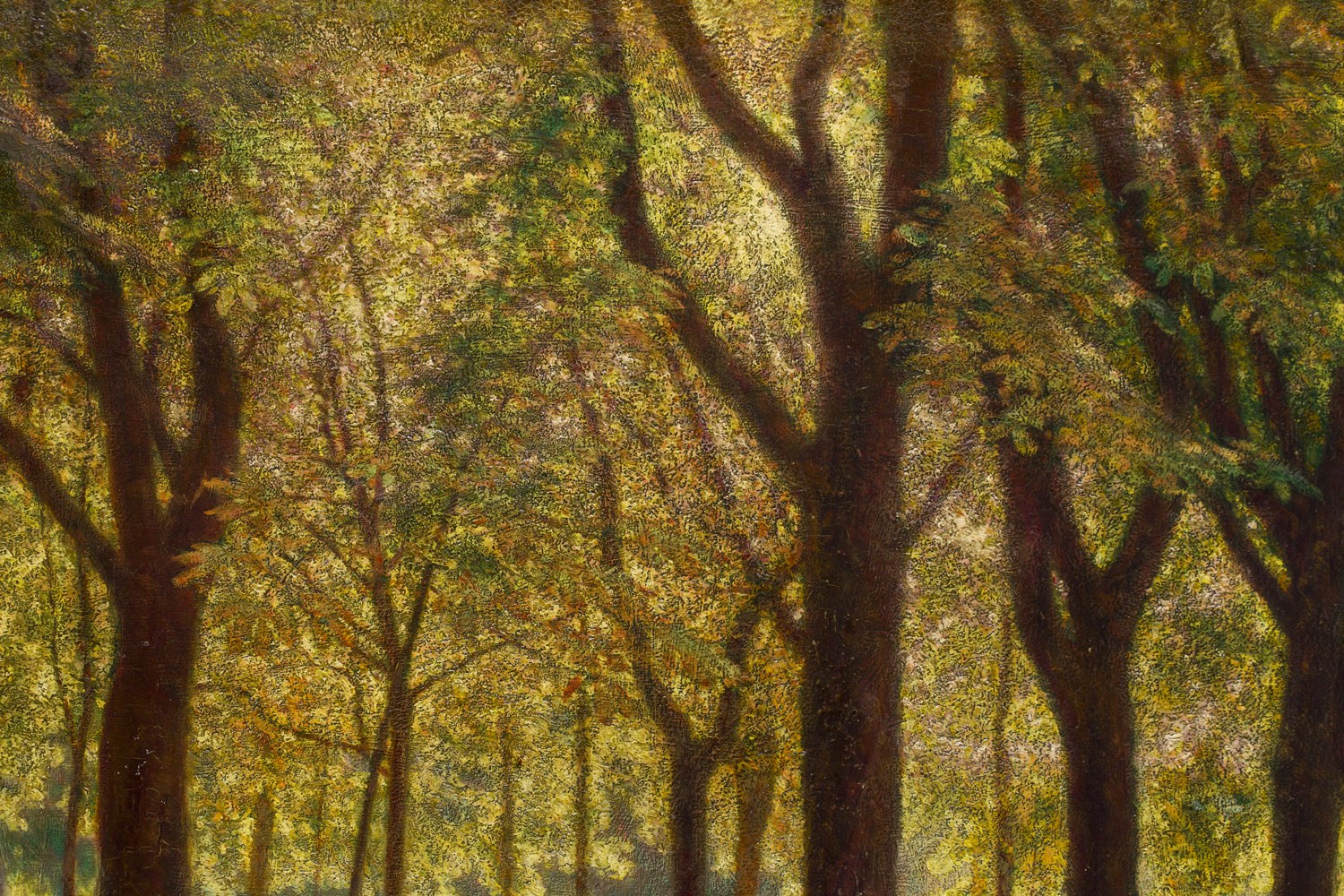
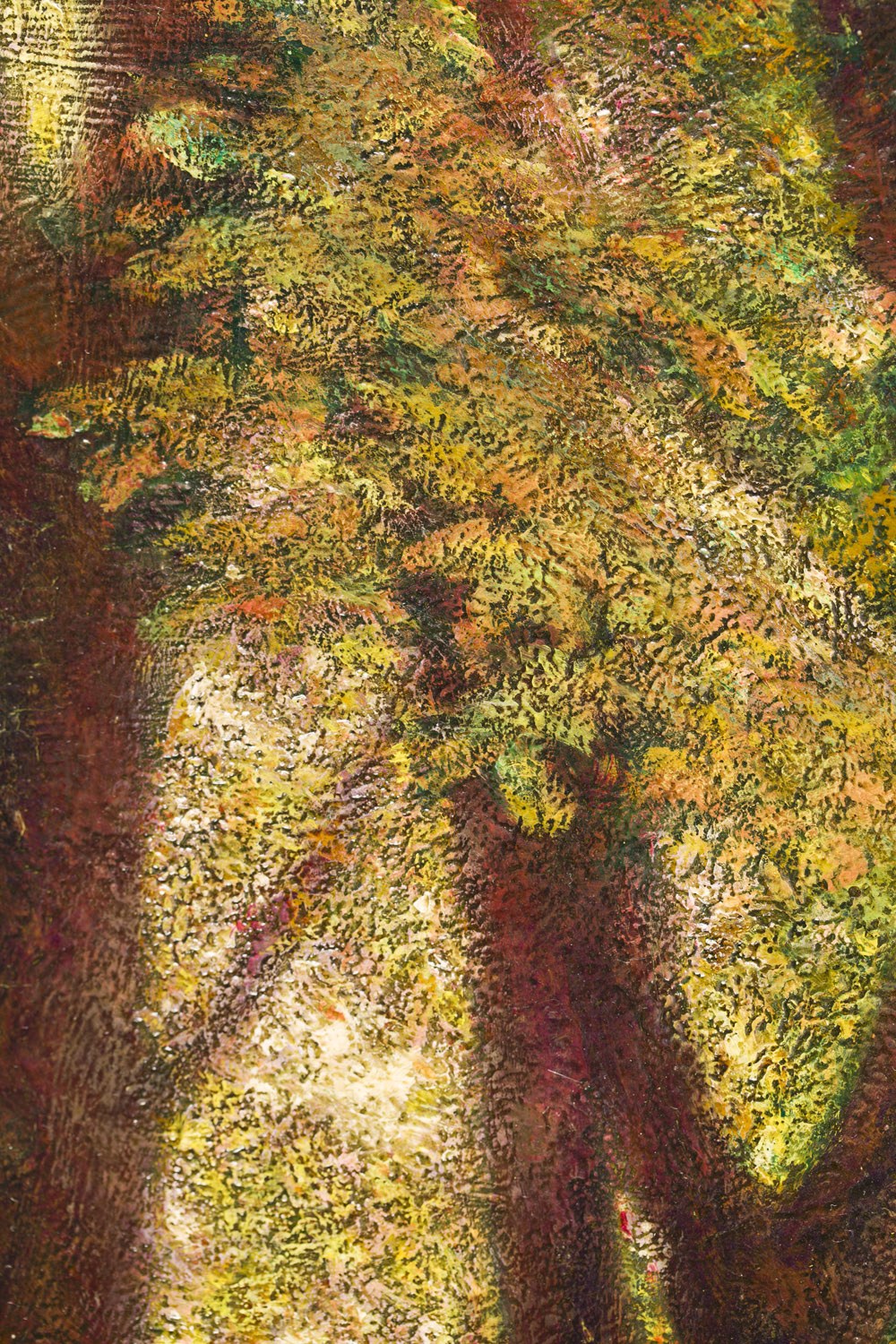
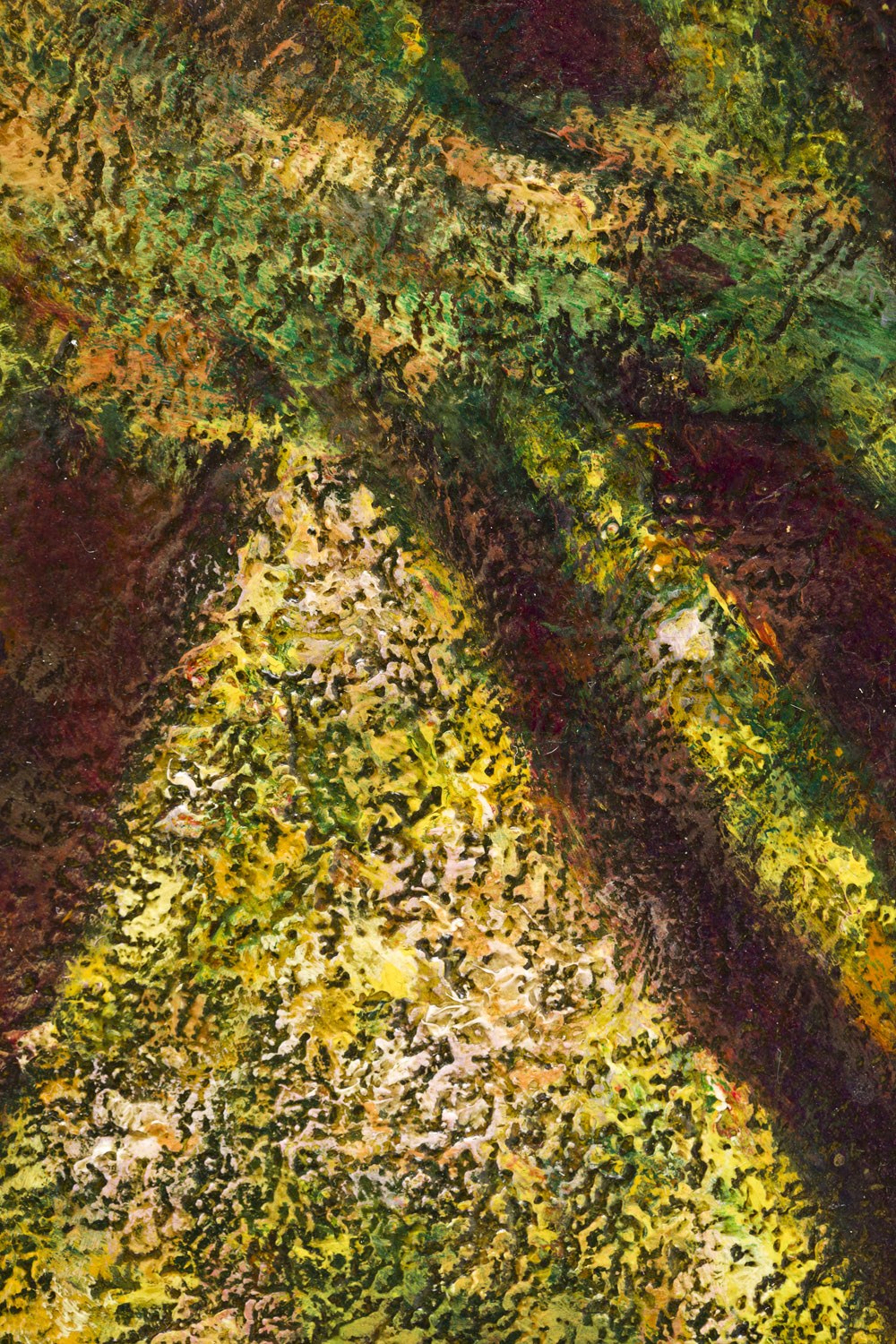
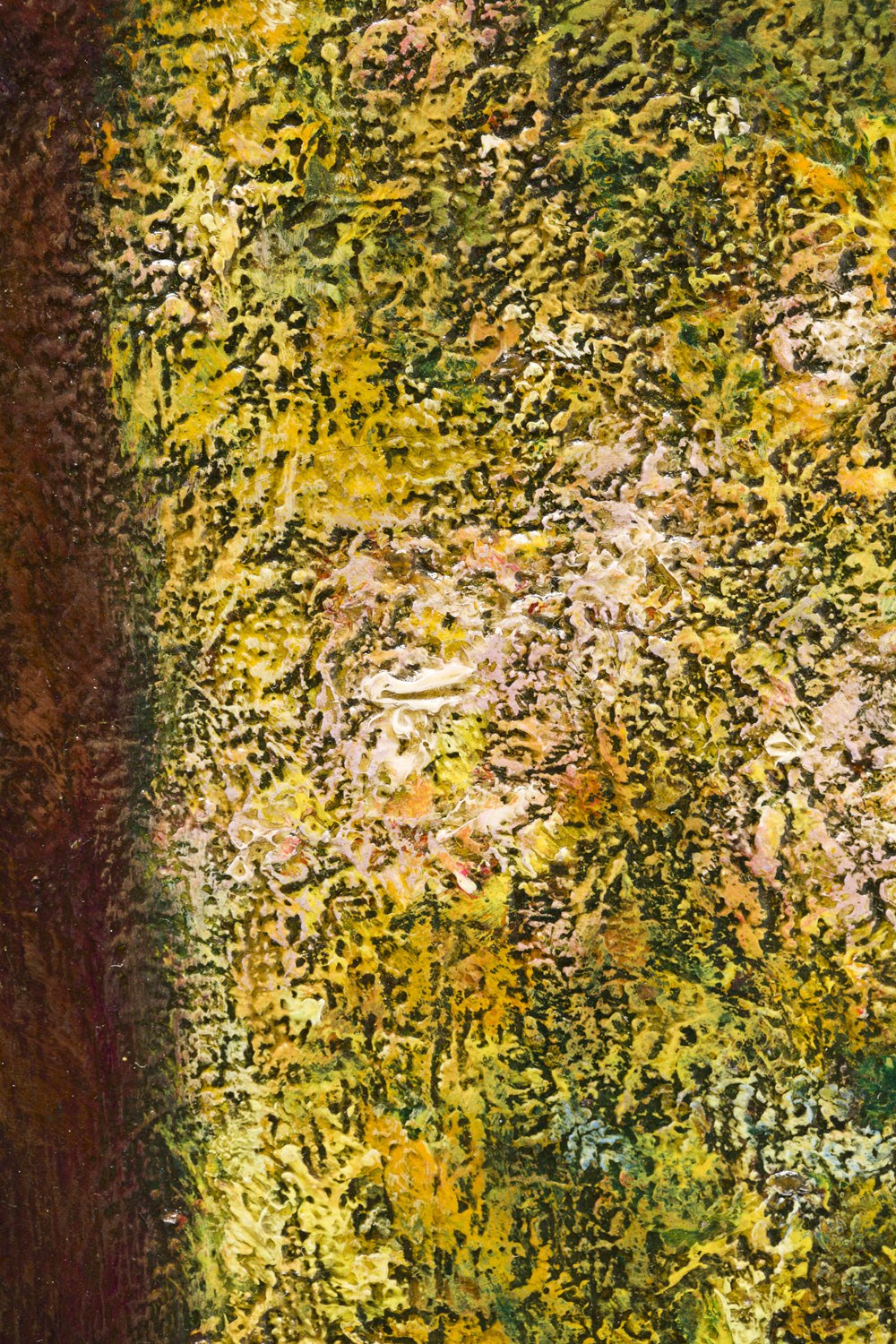
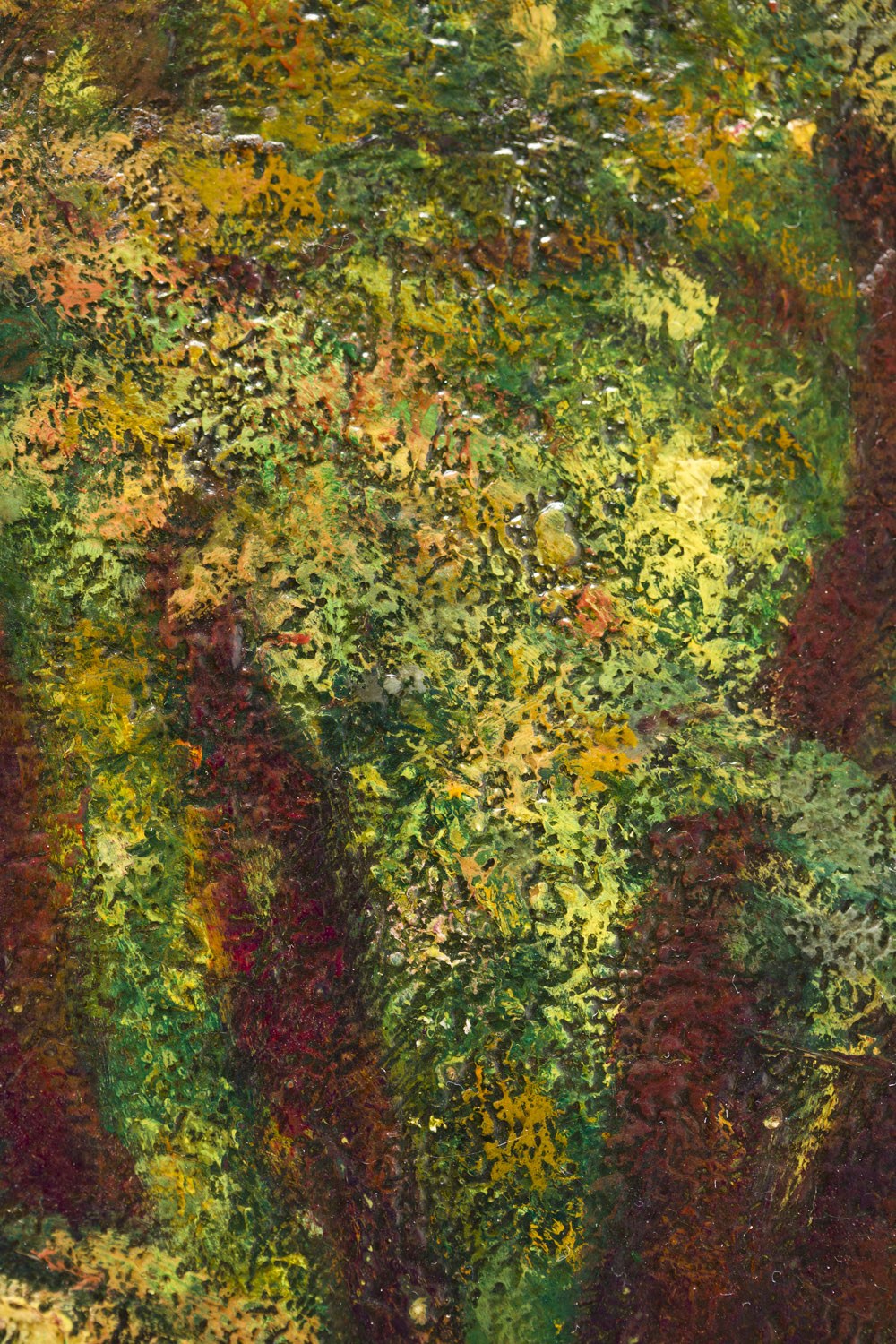
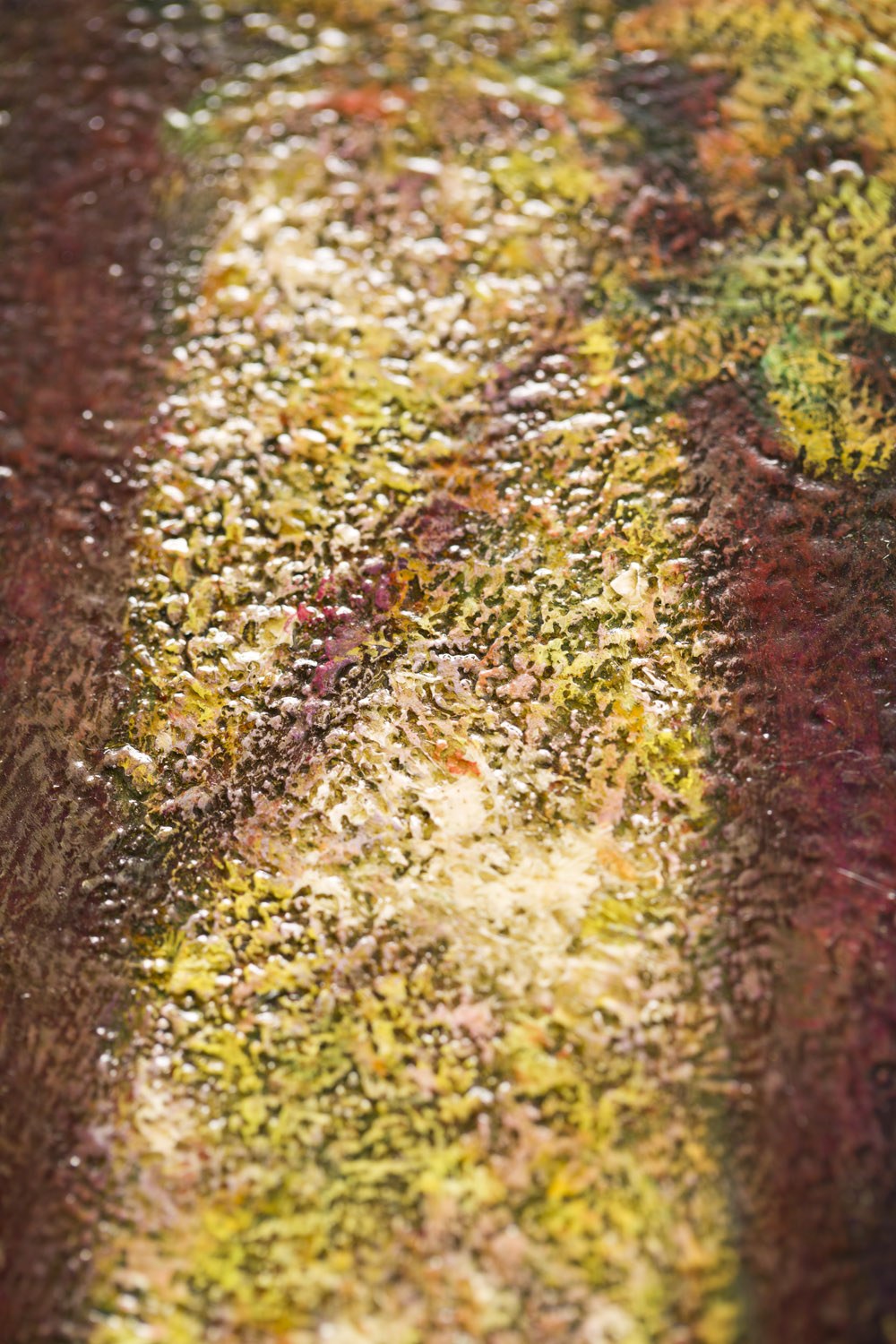
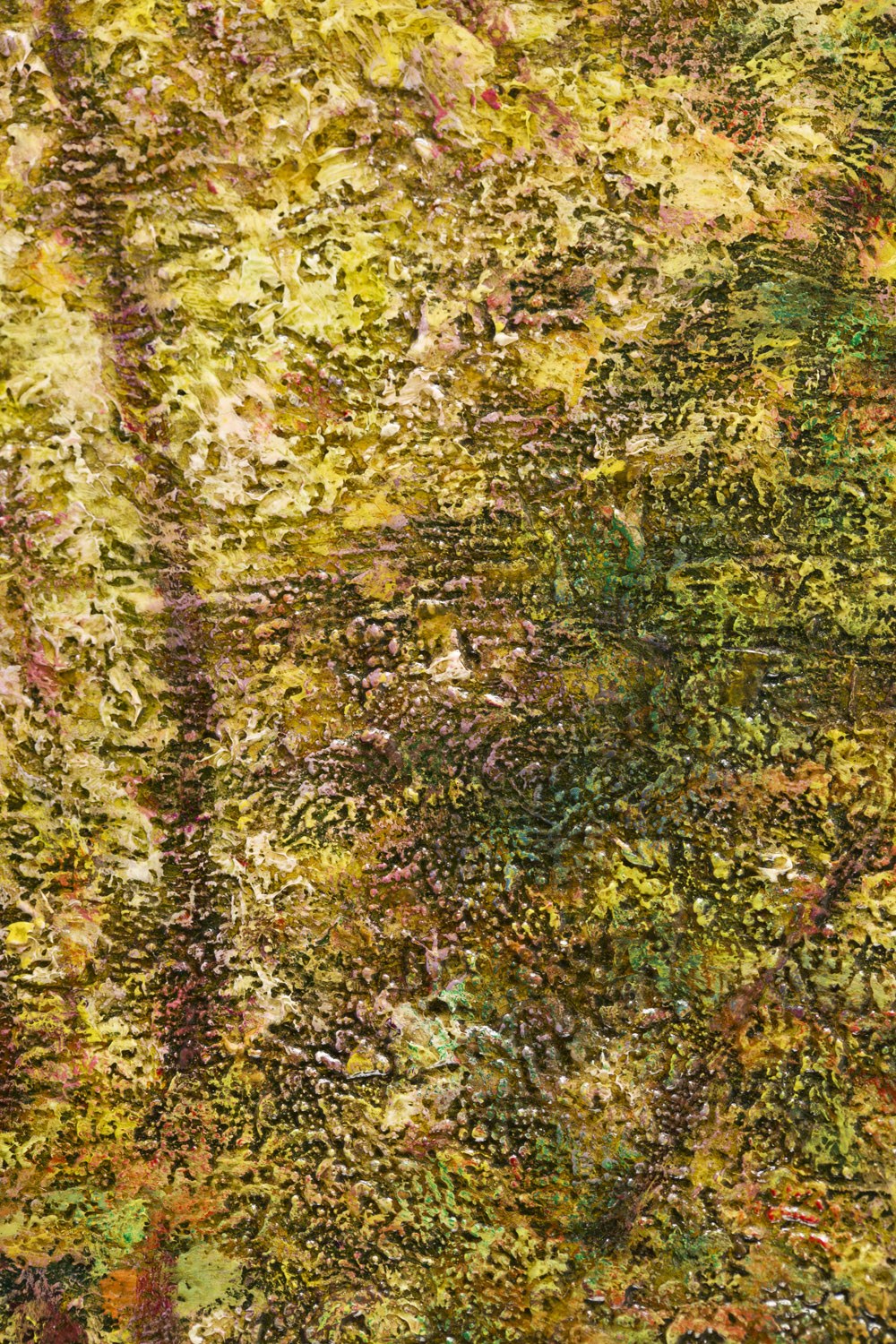
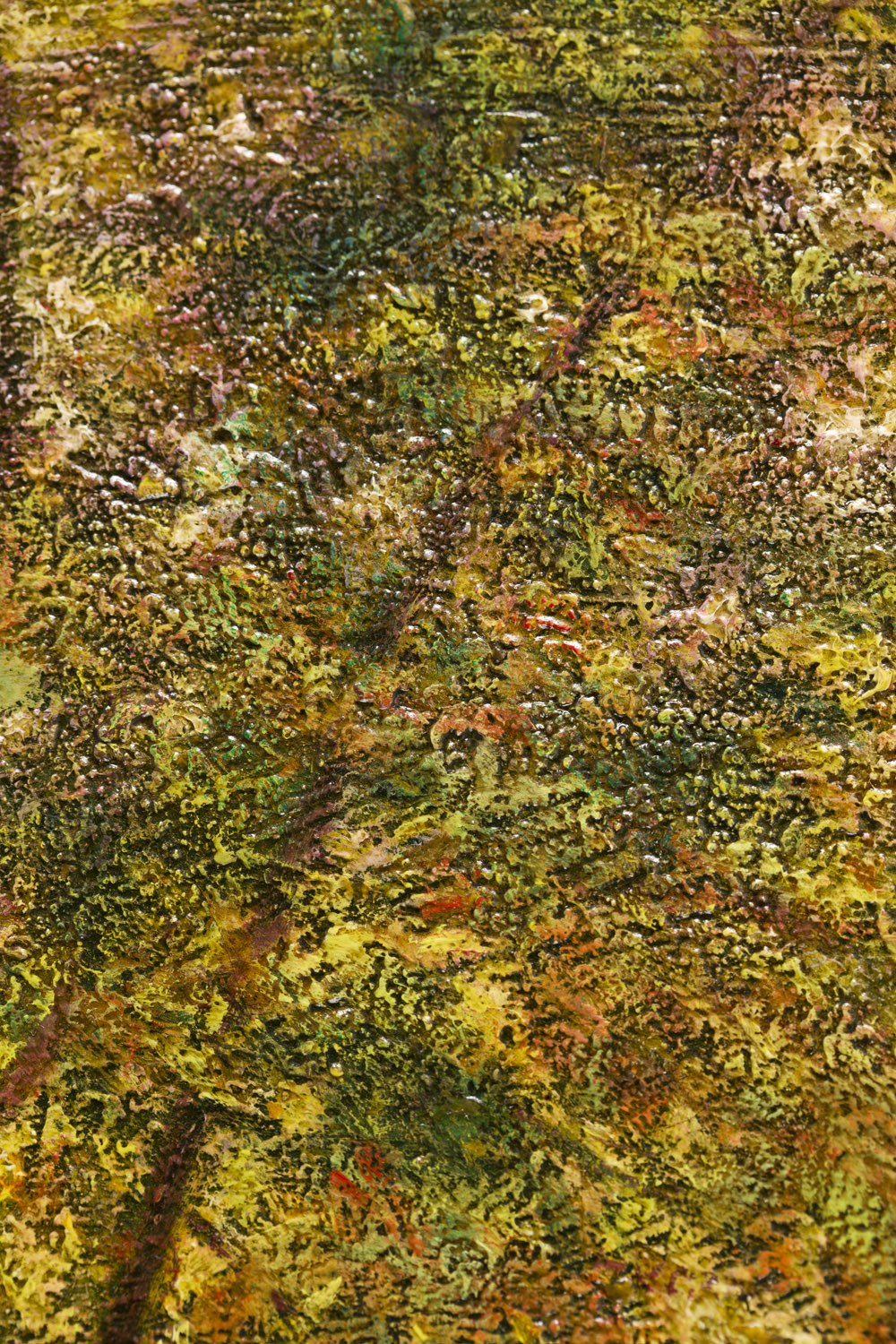
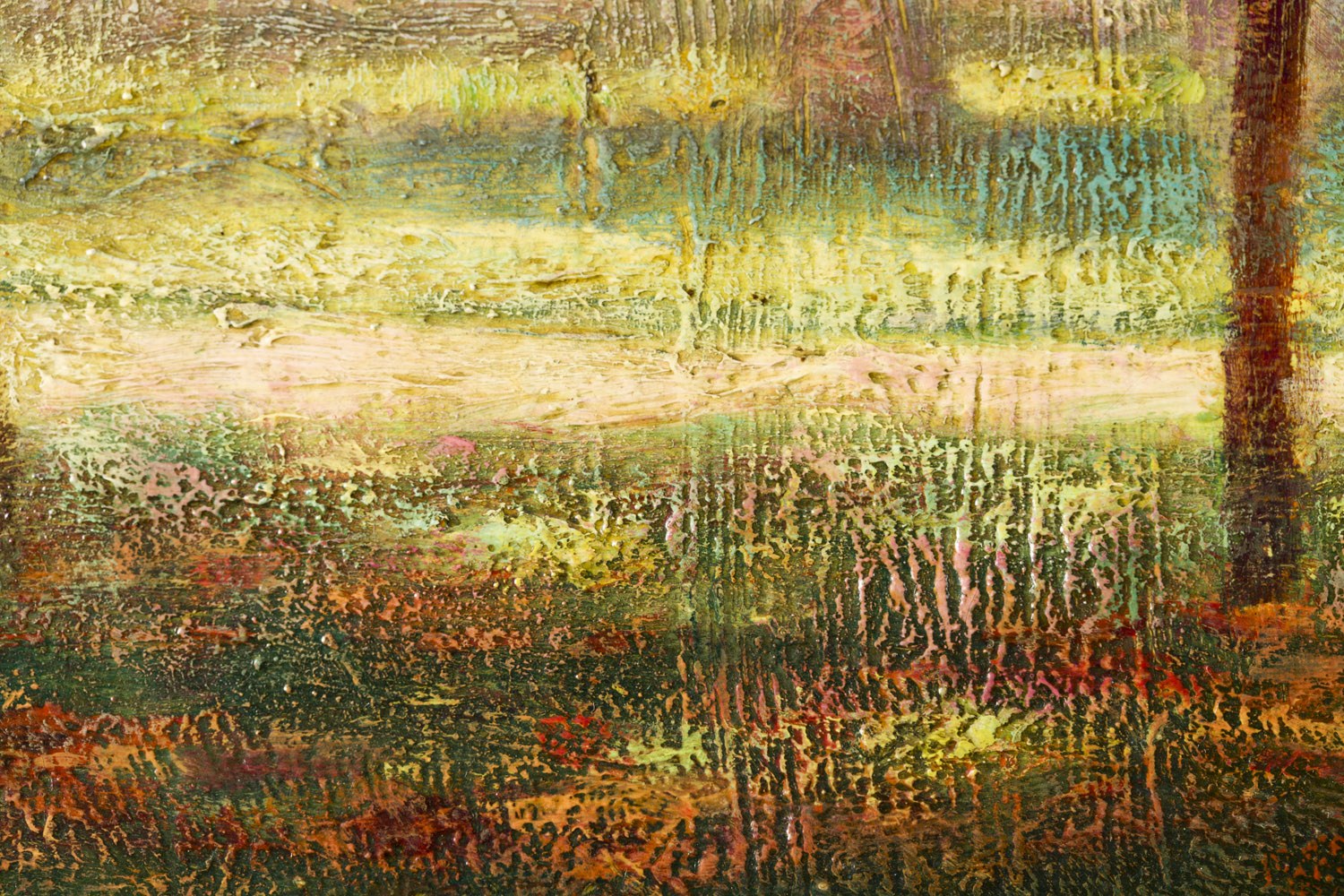
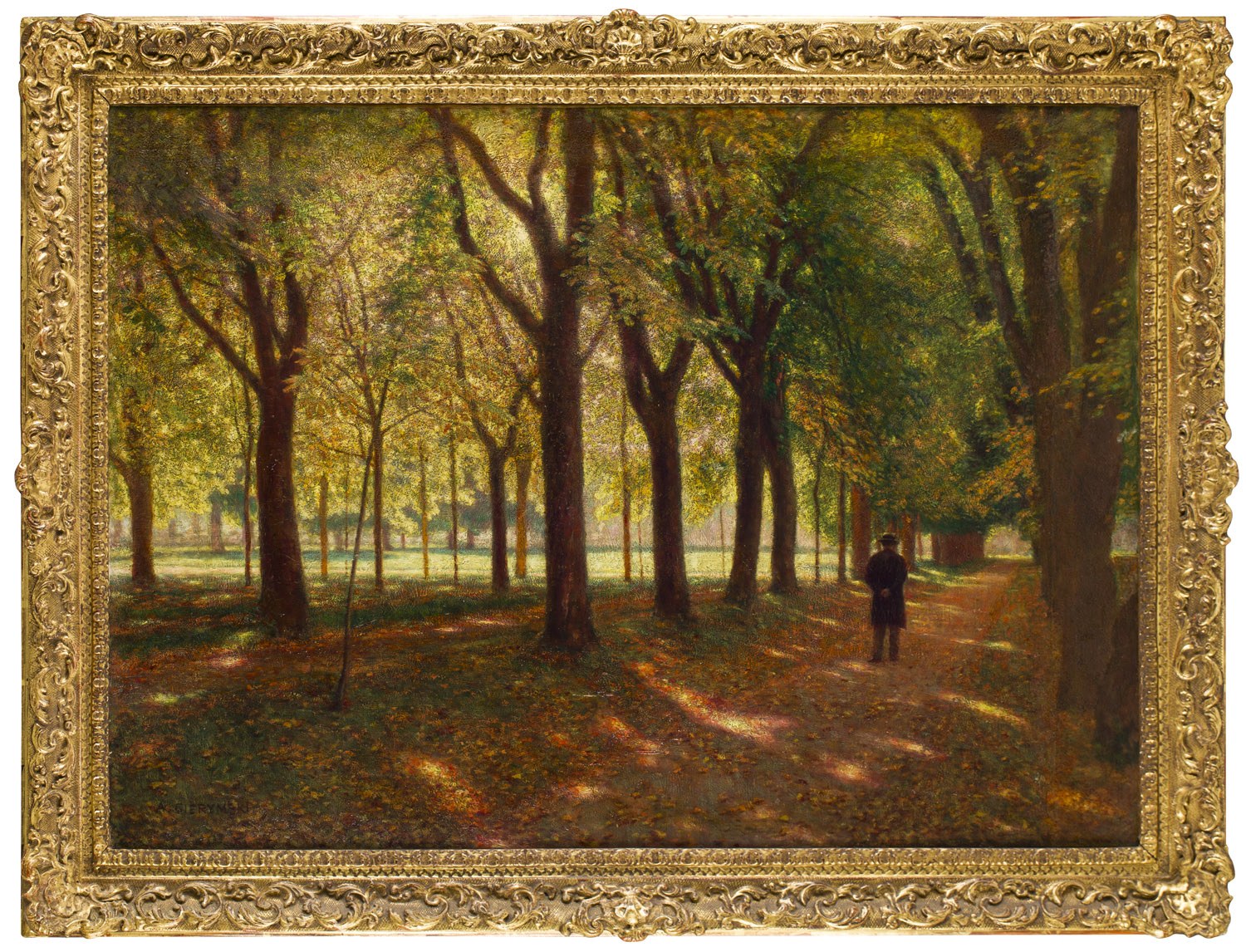
Dimensions: 69 x 95 cm
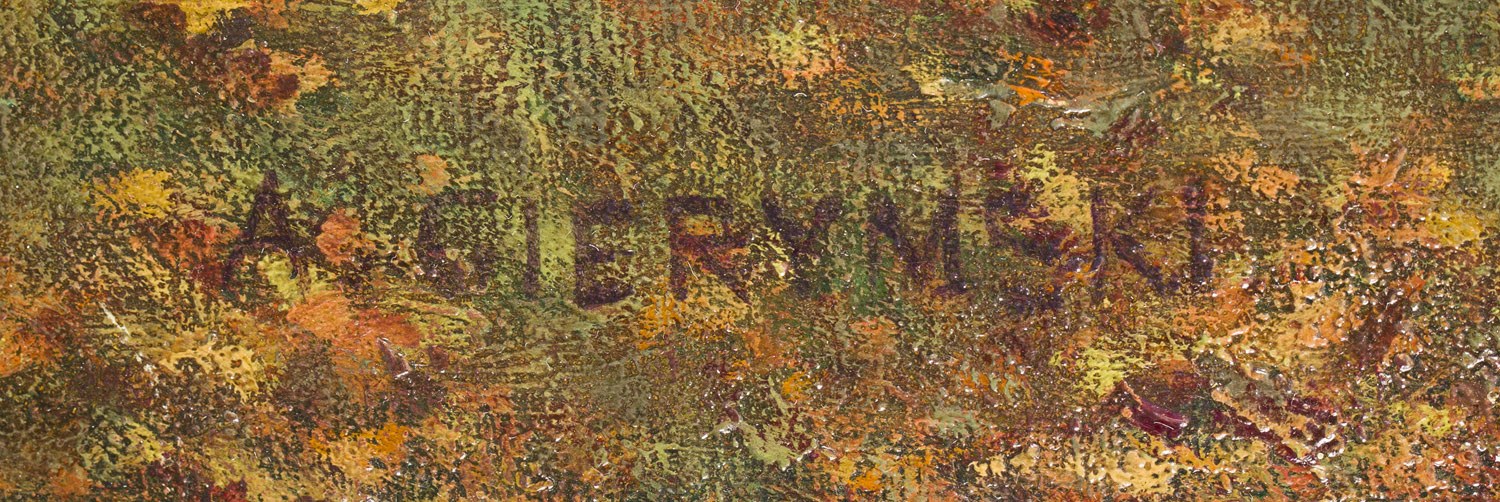
signed lower left: 'A. GIERYMSKI'
Other historical titles: Avenue; Autumn Avenue; Avenue in Autumn; Linden Avenue; In the Linden Avenue; Aus dem Schleissheimpark bei München; Man in the Avenue; Man in the Linden Avenue; Man in the Linden Avenue
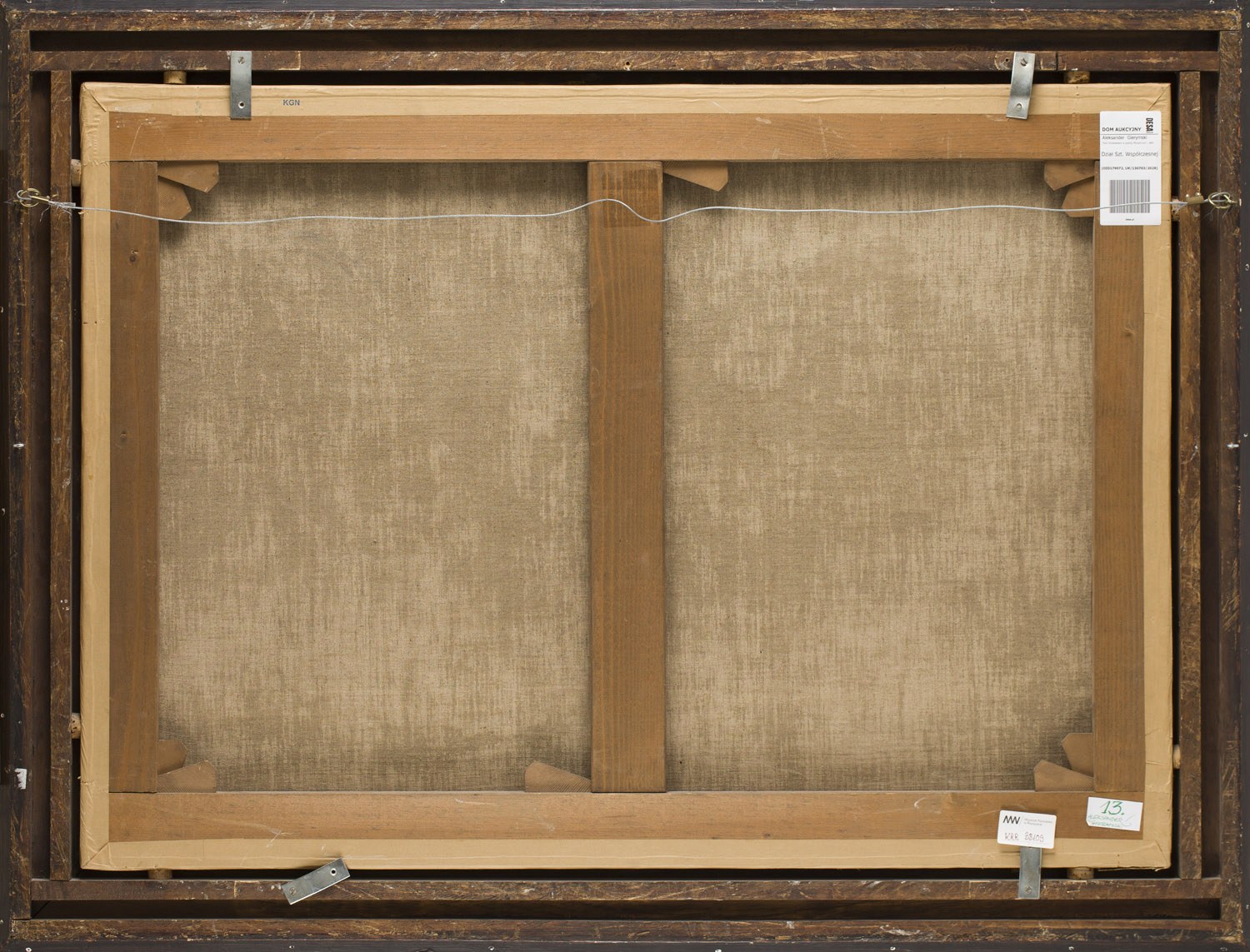
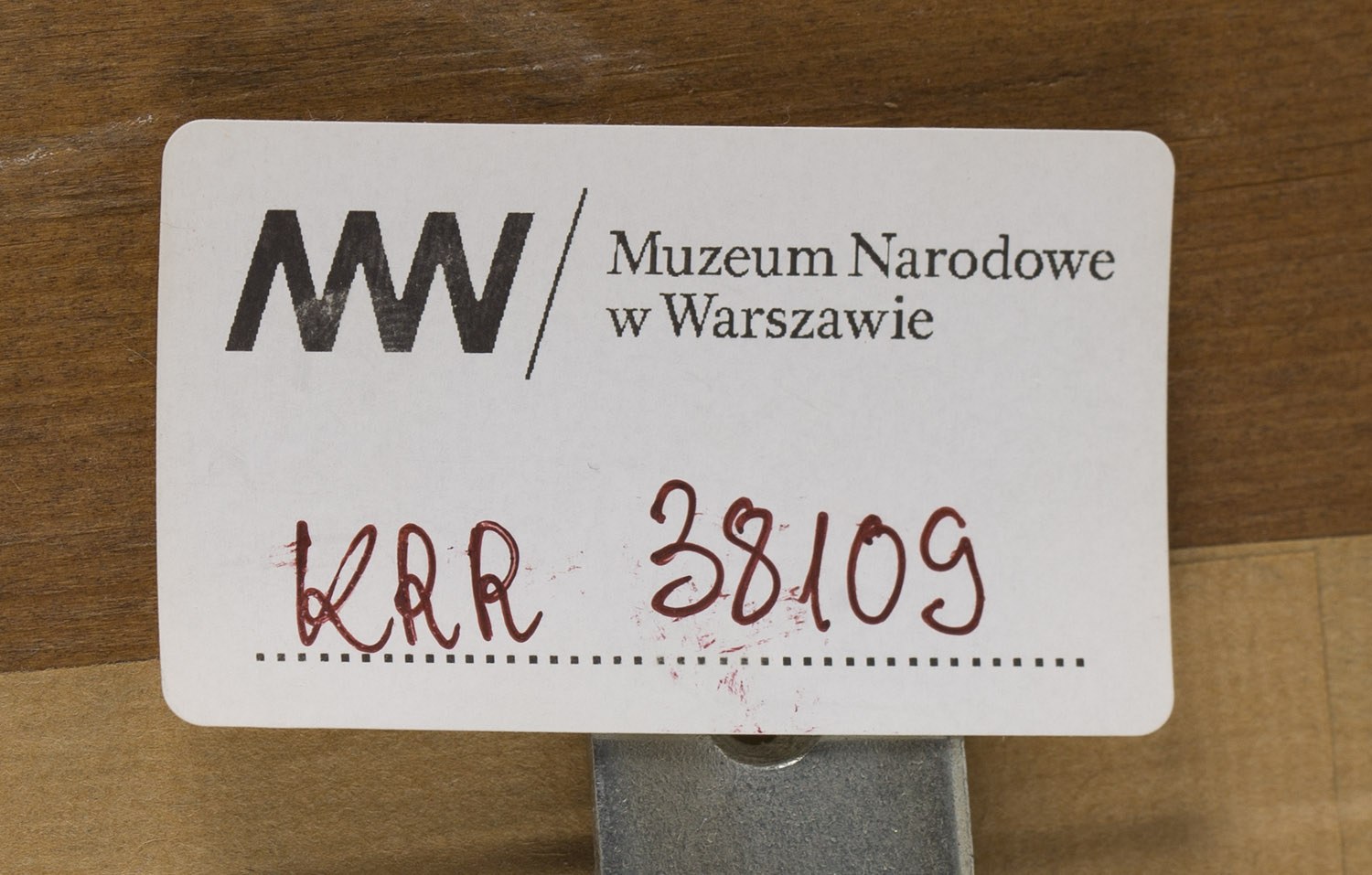
On the reverse, on the stretcher, there is an exhibition label from the National Museum in Warsaw with the inventory number: 'KRR 38109' and a label with the inventory number: '13. | ALEKSANDER GIERYMSKI'
Provenance
Ignacy Korwin-Milewski Collection, 1895–1923/1926
Emil Merwin’s collection, Vienna, from ca. 1923–26
Tekla Merwin’s collection, Vienna, from 1935
private collection, United States
Czesław Bednarczyk Collection, Vienna, 1968–1969
private collection, since 1969
Private collection, Poland, 1998–2000
DESA Unicum, December 2000 (record price for a work by the artist; hammer price: 1,300,000 PLN)
Private collection, Poland (on loan to the National Museum in Warsaw, 2001–2008)
Exhibited
Count I. Milewski Collection, Künstlerhaus, Vienna, 1895–1896
General National Exhibition, Palace of Art, Poznań, 1929
Bedeutende Gemälde Polnischer Meister, Kunst und Antiquitäten Czesław Bednarczyk, Vienna, 1969
Aleksander Gierymski 1850–1901, National Museum in Warsaw, March 20–August 10, 2014
The Collector: Ignacy Korwin-Milewski (1846–1926), National Museum in Warsaw, April 17–September 13, 2026
Bibliography
The Collector: Ignacy Korwin-Milewski (1846–1926), ed. Renata Higersberger, Warsaw 2026, pp. 124–125 (ill.)
Luba Ristujczina, Aleksander Gierymski: Between Shadow and Light, Warsaw 2025, pp. 200, 234 (ill.)
Stanisław Witkiewicz, Aleksander Gierymski, compiled by Krzysztof Żywczak, Warsaw 2025, p. 198 (ill.)
Ewa Micke-Broniarek, Aleksander Gierymski 1850–1901, Warsaw 2014, cat. no. 143, pp. 250–251 (ill.)
The Great Encyclopedia of Polish Painting, introduction by Jan Ostrowski, Kraków 2011, p. 160, ill. p. 158
Dorota Dzierżanowska, Maksymilian Gierymski (1846–1874) and Aleksander Gierymski (1850–1901), Warsaw 2006, p. 80, ill. pp. 82–83
Gallery of Polish Painting. Guide. National Museum in Warsaw, ed. by E. Micke-Broniarek and P. Kopszak, Warsaw 2006, ill. p. 189
Janusz Antos et al., A Short Encyclopedia of Polish Art, Kraków 2006, pp. 52–53 (ill.)
Ewa Micke-Broniarek, Aleksander Gierymski, Wrocław 2004, p. 63, ill. p. 62
Włodzimierz Kalicki, “Disappearing in the Cornfield,” *Gazeta Wyborcza* [Capital Edition] 2004, no. 261, p. 16
Andrzej Ryszkiewicz, “A. Gieryski’s Linden Alley Returns to Poland,” “Gazeta Antykwaryczna” 2001, no. 3, pp. 16–18, ill. p. 16
Barbara Kokoska, Polish Impressionism, Kraków 2001, p. 10, ill. p. 30
Stefania Krzysztofik-Kozakowska, Franciszek Stolot, A History of Polish Painting, Kraków 2000, p. 232, ill. p. 328
Jerzy Malinowski, Imitations of the World: On Polish Painting and Art Criticism in the Second Half of the 19th Century, Kraków 1987, p. 137
Andrzej Ryszkiewicz, Collectors and Art Lovers, Warsaw 1981, p. 209
Paweł Morawski, Aleksander Gierymski, Warsaw 1979, p. 37
Halina Stępień, “Aleksander Gierymski,” in Dictionary of Polish Artists and Foreign Artists Active in Poland. Painters—Sculptors—Graphic Artists, vol. 2, Wrocław–Warsaw–Kraków–Gdańsk 1975, p. 334
Maksymilian and Aleksander Gierymski. Letters and Notes, collected, edited, and with an introduction by Juliusz Starzyński; texts for publication and commentary prepared by Halina Stępień, Wrocław–Warsaw–Kraków–Gdańsk 1973, p. 463, ill. 174
Ludwik Grzeniewski, Aleksander Gierymski’s Warsaw, Warsaw 1973, pp. 20, 30–33
Andrzej Ryszkiewicz, Collectors and Paintings, Warsaw 1972, p. 95
Juliusz Starzyński, Aleksander Gierymski, Warsaw 1971, pp. 32, 43, cat. and ill. 104
Jerzy Sienkiewicz, “Bedeutende Gemälde polnischer Meister,” exhibition catalog, Kunst und Antiquitäten, Czesław Bednarczyk, Vienna 1969, pp. 9, 108, cat. 56
Juliusz Starzyński, Aleksander Gierymski, Warsaw 1969, pp. 34, 47, cat. no. and ill. 104
Juliusz Starzyński, Aleksander Gierymski, Warsaw 1967, pp. 33, 47, cat. no. and ill. 104
Mieczysław Lisowski, “A Sanctuary of Polish Art in Vienna: A Collection of Valuable Paintings by Polish Artists in the Apartment of Dr. Merwin, a Patron of the Arts,” *Kurier Literacko-Naukowy* 1931, No. 35, supplement to No. 240 of *Ilustrowany Kurier Codzienny*, p. III
Catalog of the Art Section. General National Exhibition, ed. Mieczysław Treter, Poznań 1929 (1st ed.), cat. 27, p. 7
Franciszek Klein, The Collection of Ignacy Korwin-Milewski’s Gallery, “Sztuki Piękne” 1927/1928, Vol. 4, Nos. 10–12, p. 433
Catalog of the Exhibition at the Künstlerhaus, Count I. Milewski’s Collection, Vienna 1895, cat. 50, p. 15
Feuilleton. Künstlerhaus – Fine Arts, “Wiener Zeitung” 1895, No. 298, pp. 3–4
Biography
In 1867, he began several months of art studies at the Drawing Class in Warsaw, most likely under the guidance of Rafał Hadziewicz. In 1868, thanks to funds he had secured, he left for further studies in Munich, where he was one of the most important painters of the Polish artistic colony in that city. From 1868 to 1869, he studied under Georg Hiltensperger, Alexander Strähuber, and Hermann Anschütz. He was also a student of Karl Piloty (in 1870 or 1871–72). He completed his studies at the academy in 1872, receiving an award for his painting *The Court Scene from *The Merchant of Venice***. In 1873, he traveled with his brother Maksymilian through Tyrol and Italy (they visited Venice, Verona, and Trento). From 1875 to 1879, he lived in Rome intermittently. He returned to Poland in 1879 and settled in Warsaw. In 1884, he left for Vienna, then for Italy (in 1885–87 he lived in Rome again), Munich (1888–90), and then to Paris for the first time (1890–93). He spent the following years in Paris and in Italy—in Verona and Rome. He exhibited mainly abroad: in Vienna, Munich, Berlin, and many other European cities. He painted costumed scenes inspired by 18th-century painting, cityscapes—mainly nocturnes and architectural views—and genre scenes related to the city and its landscapes (especially during his Warsaw period, when his work was dominated by themes related to life in the poorest districts along the Vistula River and the exotic atmosphere of the Jewish ghetto), as well as landscapes from the Munich and Tyrol regions.