


Willem van Aelst
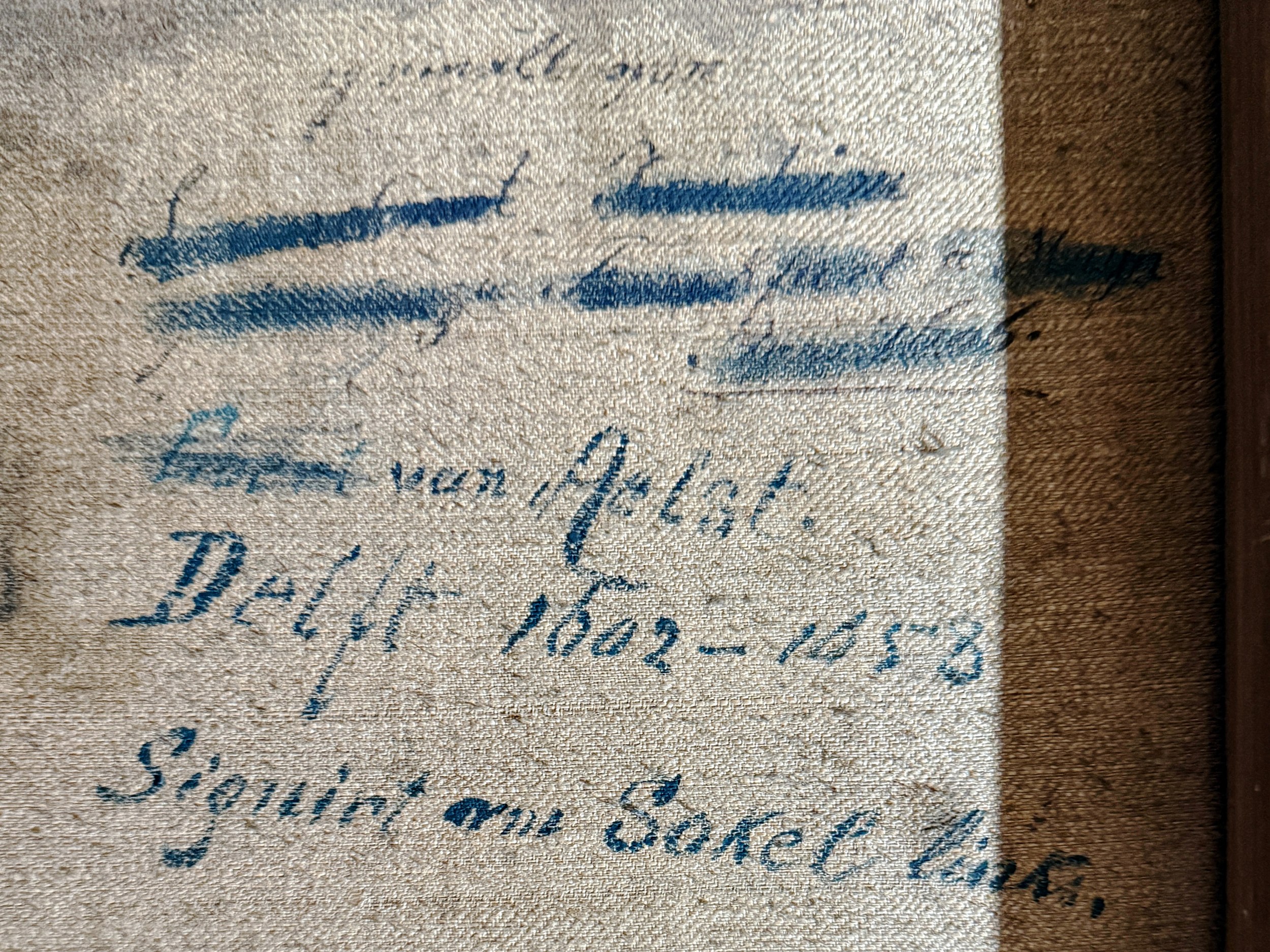
1627-1683, attributed
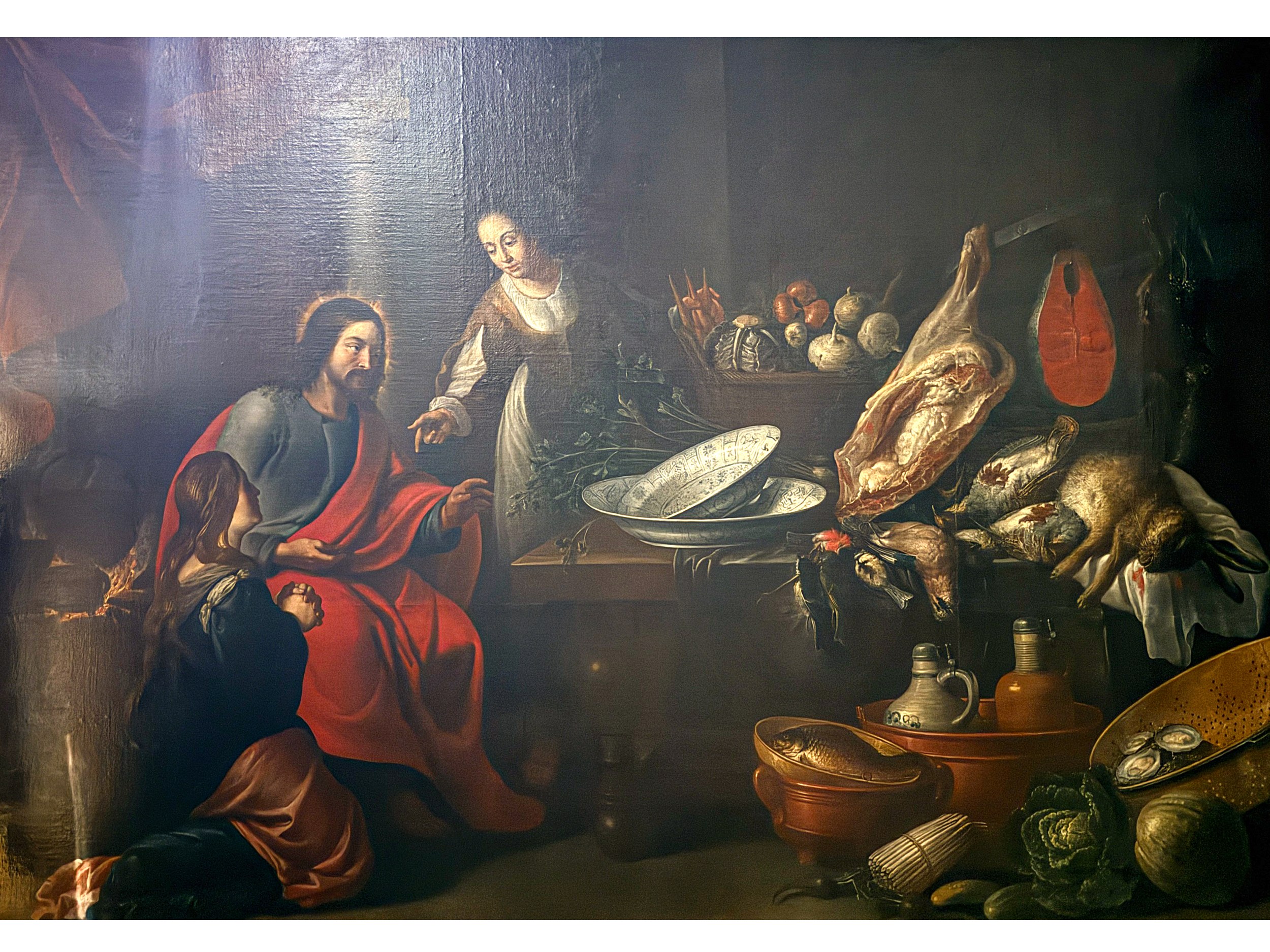
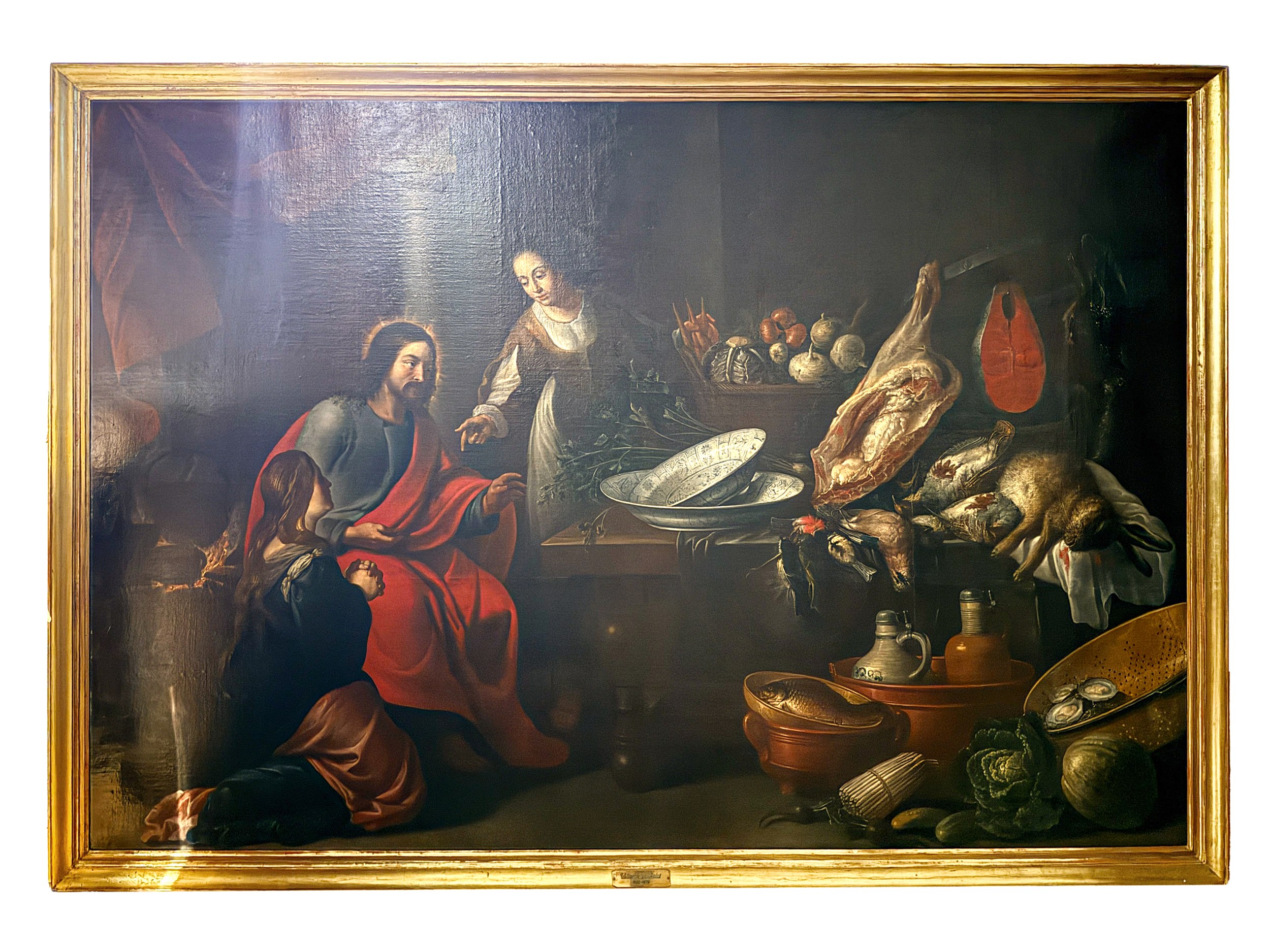
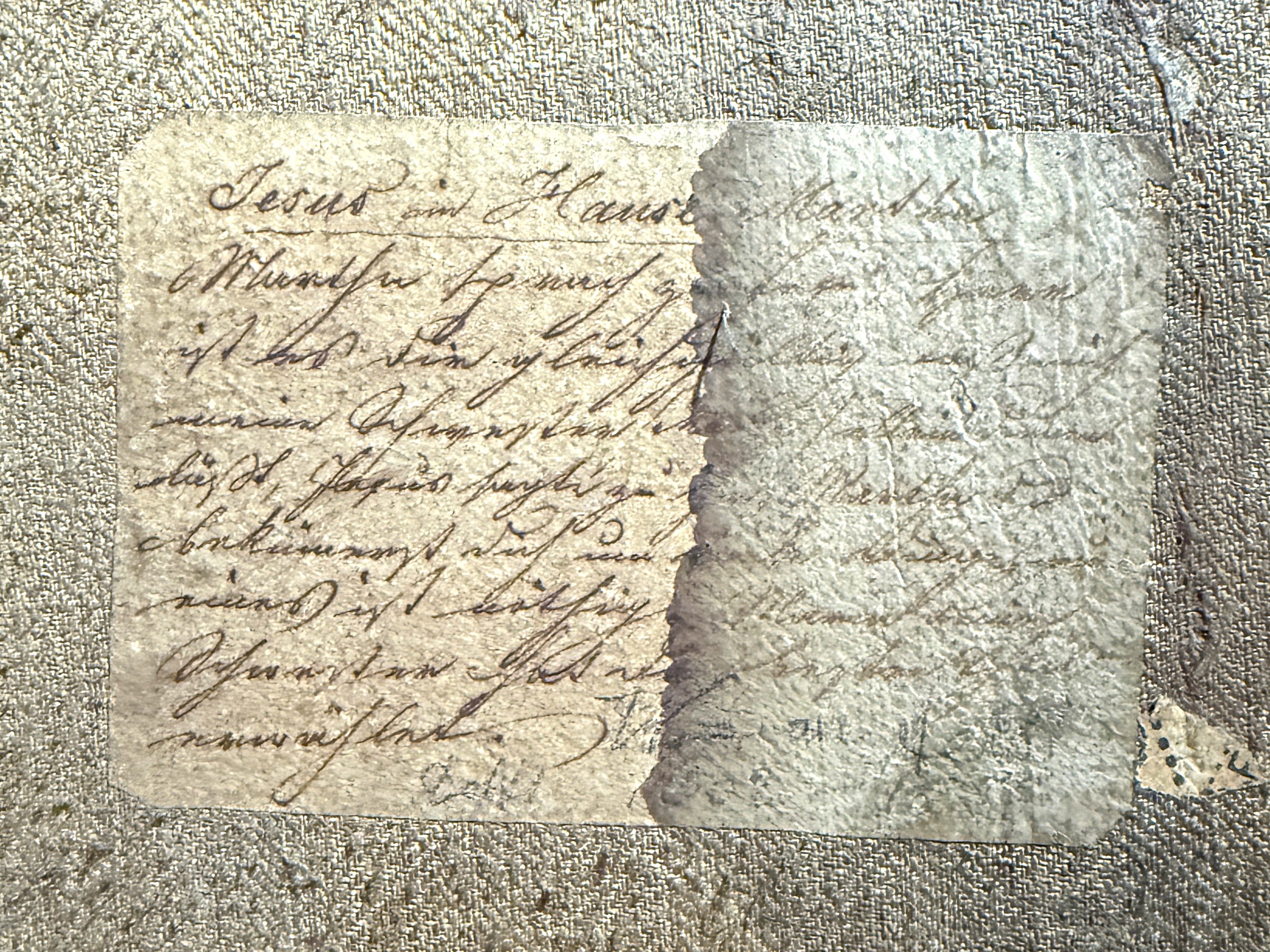
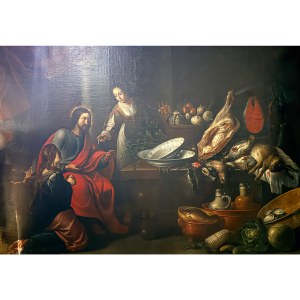
Christ in the House of Mary and Martha
Oil on canvas
150 x 230 cm; framed: 156.5 x 235.5 cm
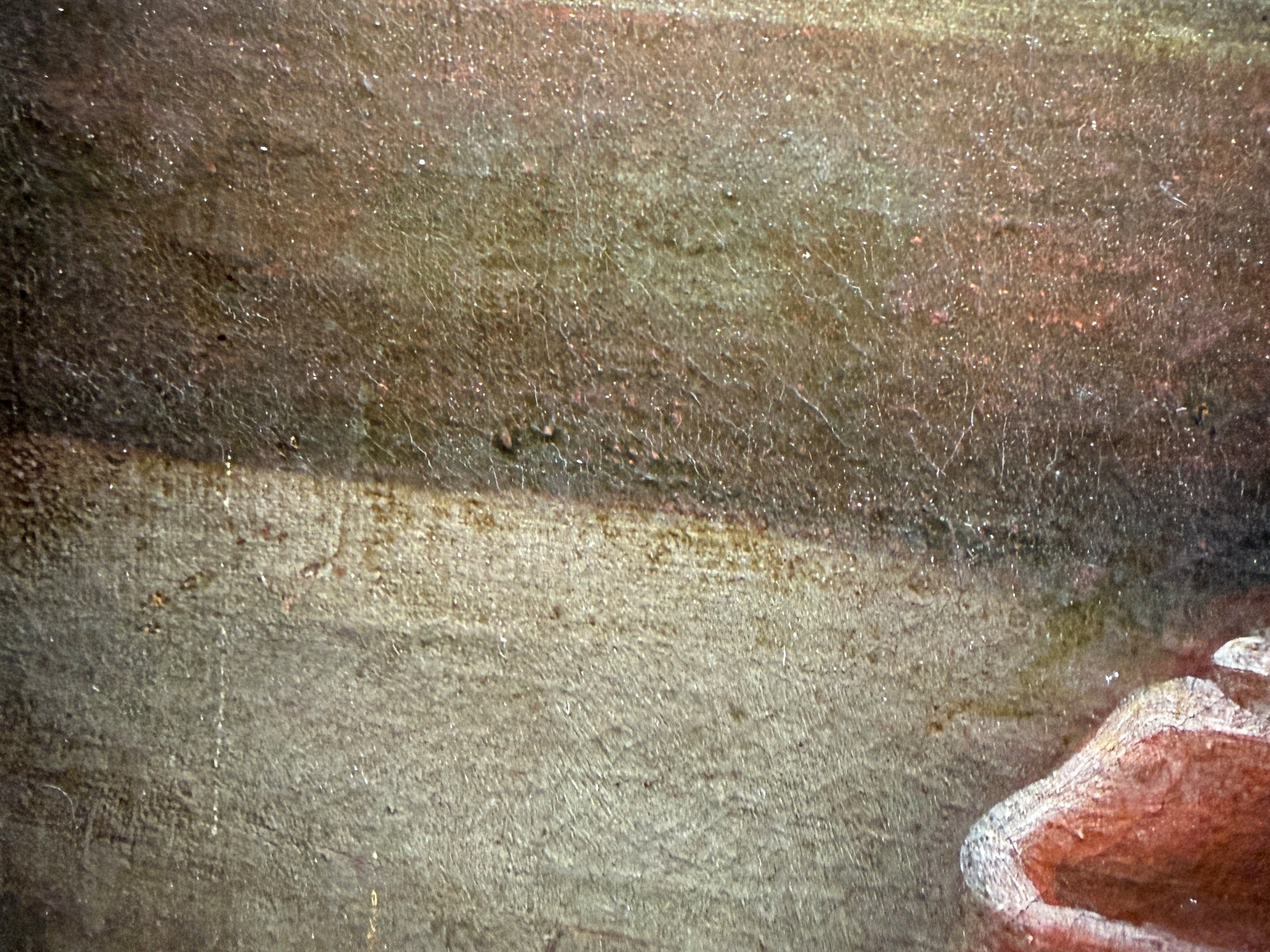
Remnants of a signature lower left
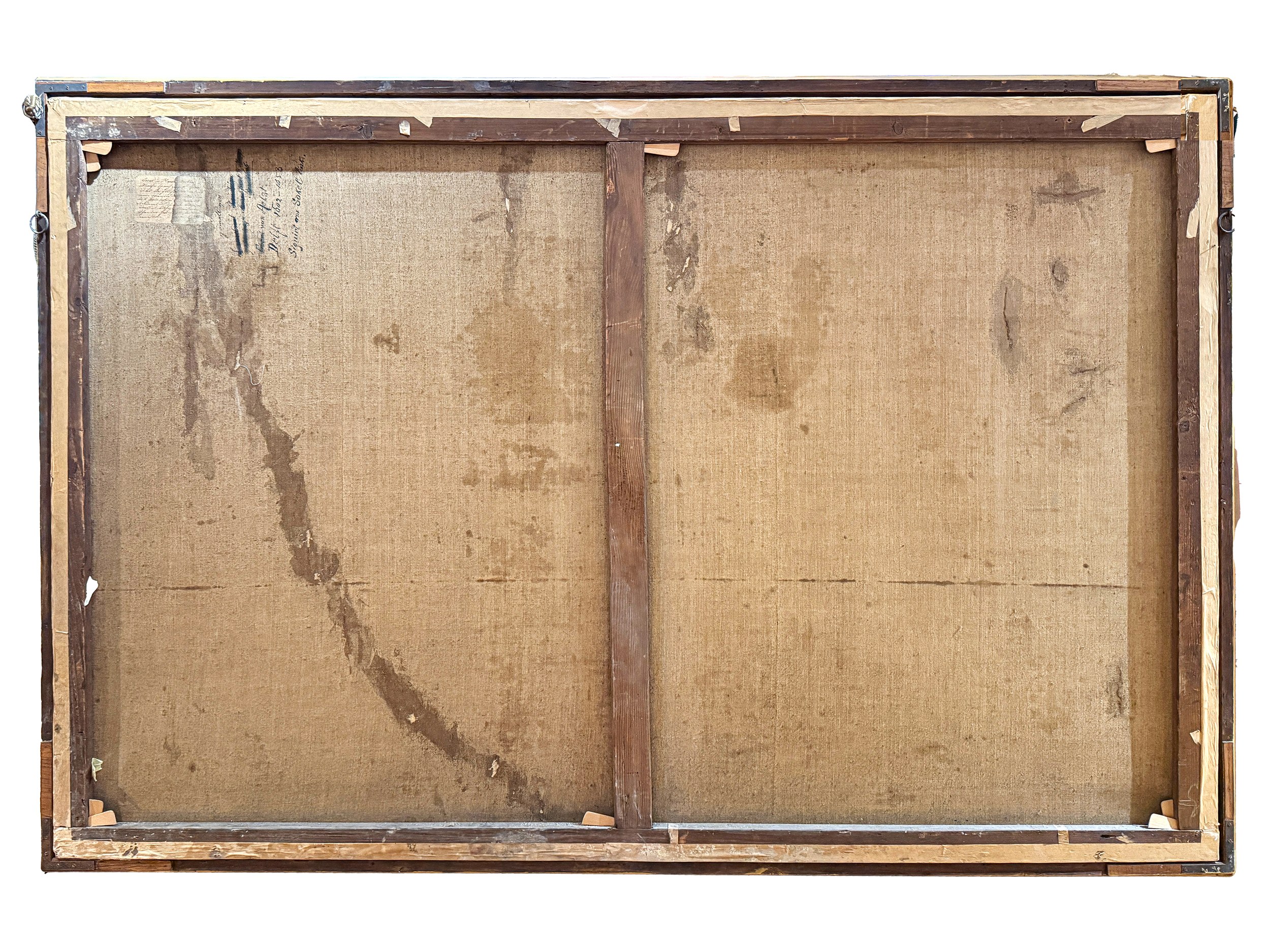
Expert opinion by Prof. Emerich Schaffran, dated 1951
Willem van Aelst ranks among the leading Dutch still-life painters of the seventeenth century. Born in Delft and trained by his uncle Evert van Aelst, he joined the local Guild of Saint Luke in 1643. After a period in France, he travelled to Italy, where he worked for the Medici in Florence. In 1656, he returned to the Netherlands and settled in Amsterdam shortly afterwards. His varied oeuvre encompasses flower and fruit still lifes as well as depictions of game and precious objects. His balanced compositions and his ability to render different surfaces with remarkable painterly precision were particularly admired. The present painting, attributed to van Aelst, combines an elaborate kitchen still life with the visit of Christ to the house of Mary and Martha.
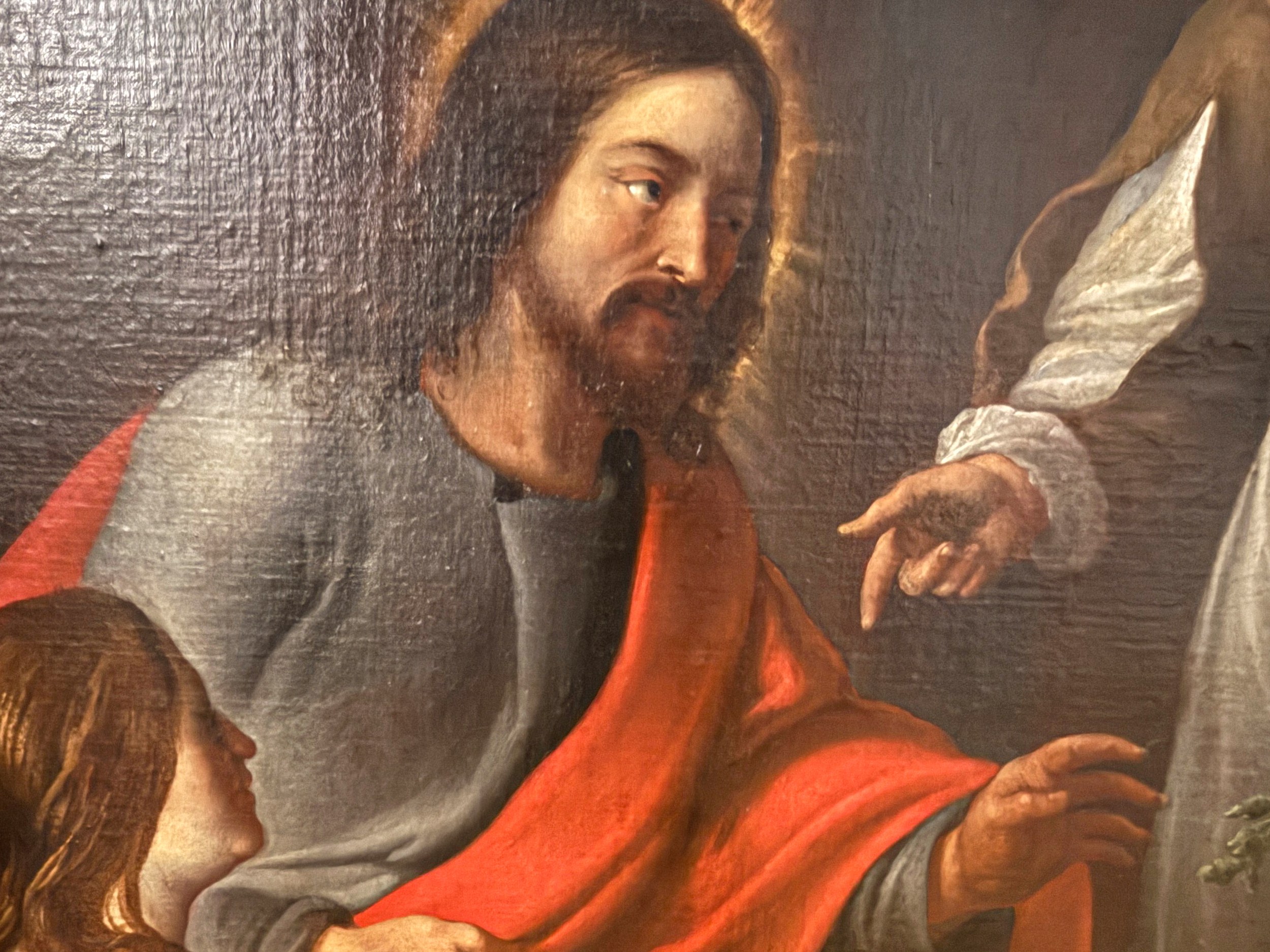
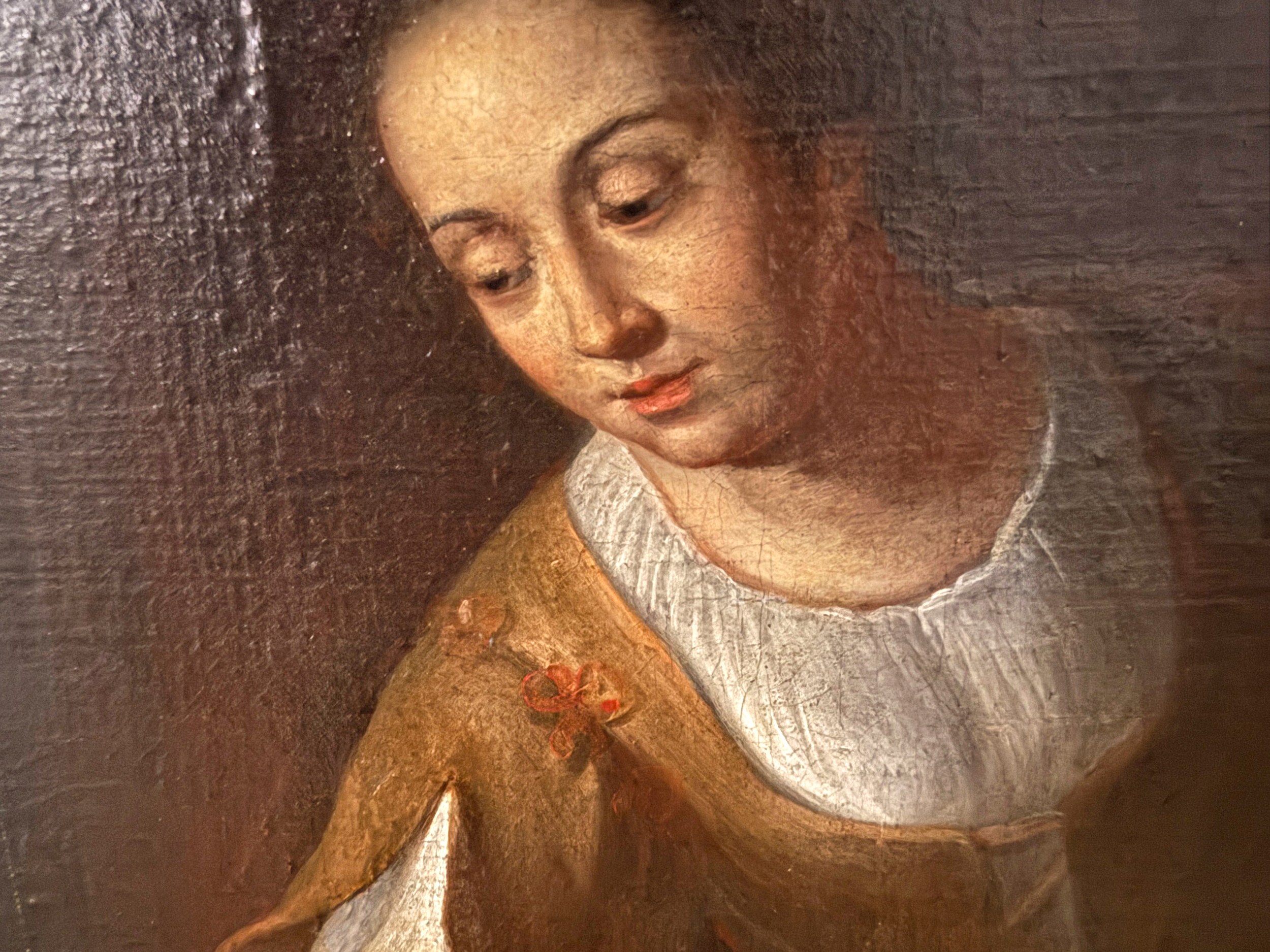
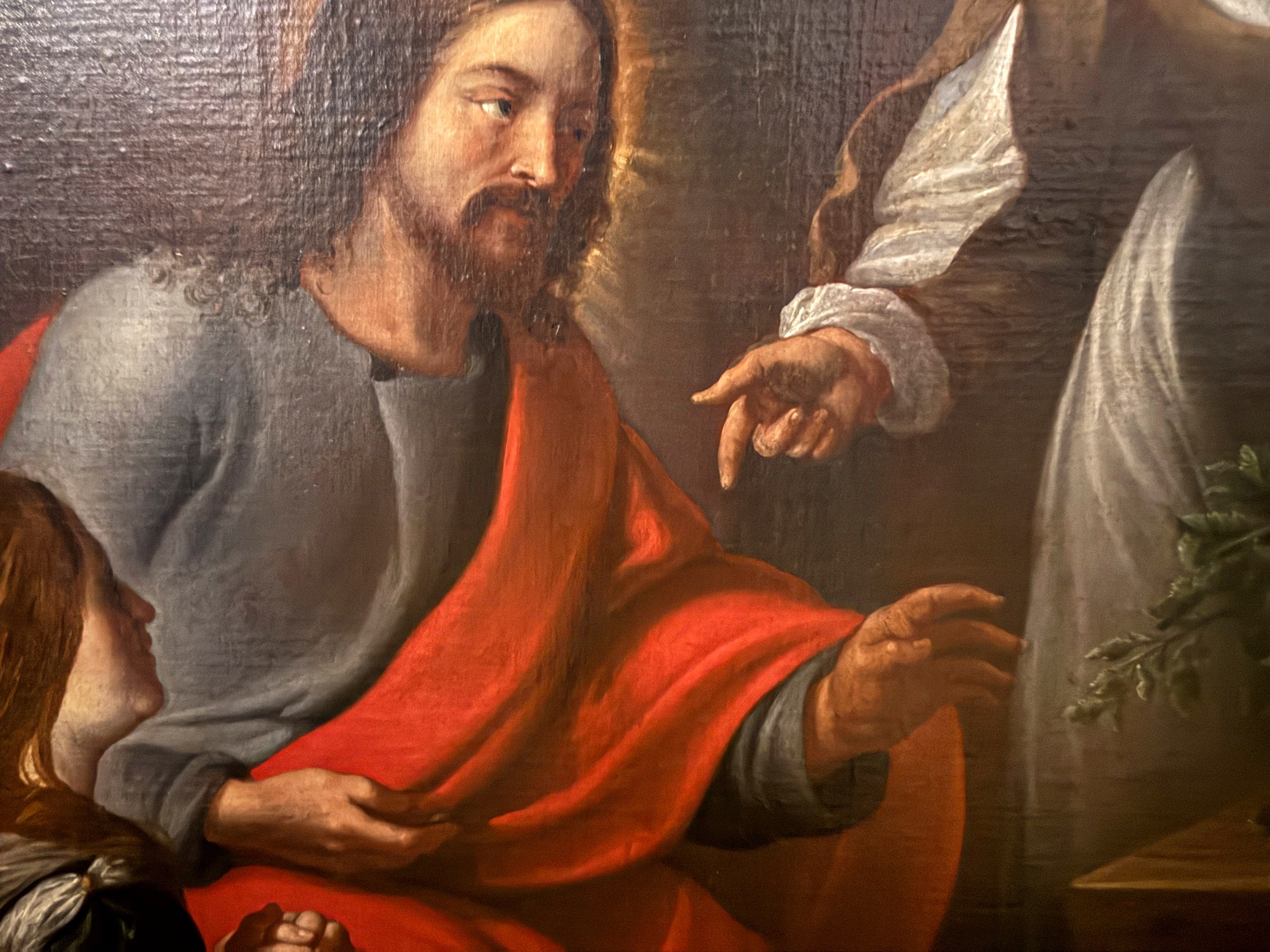
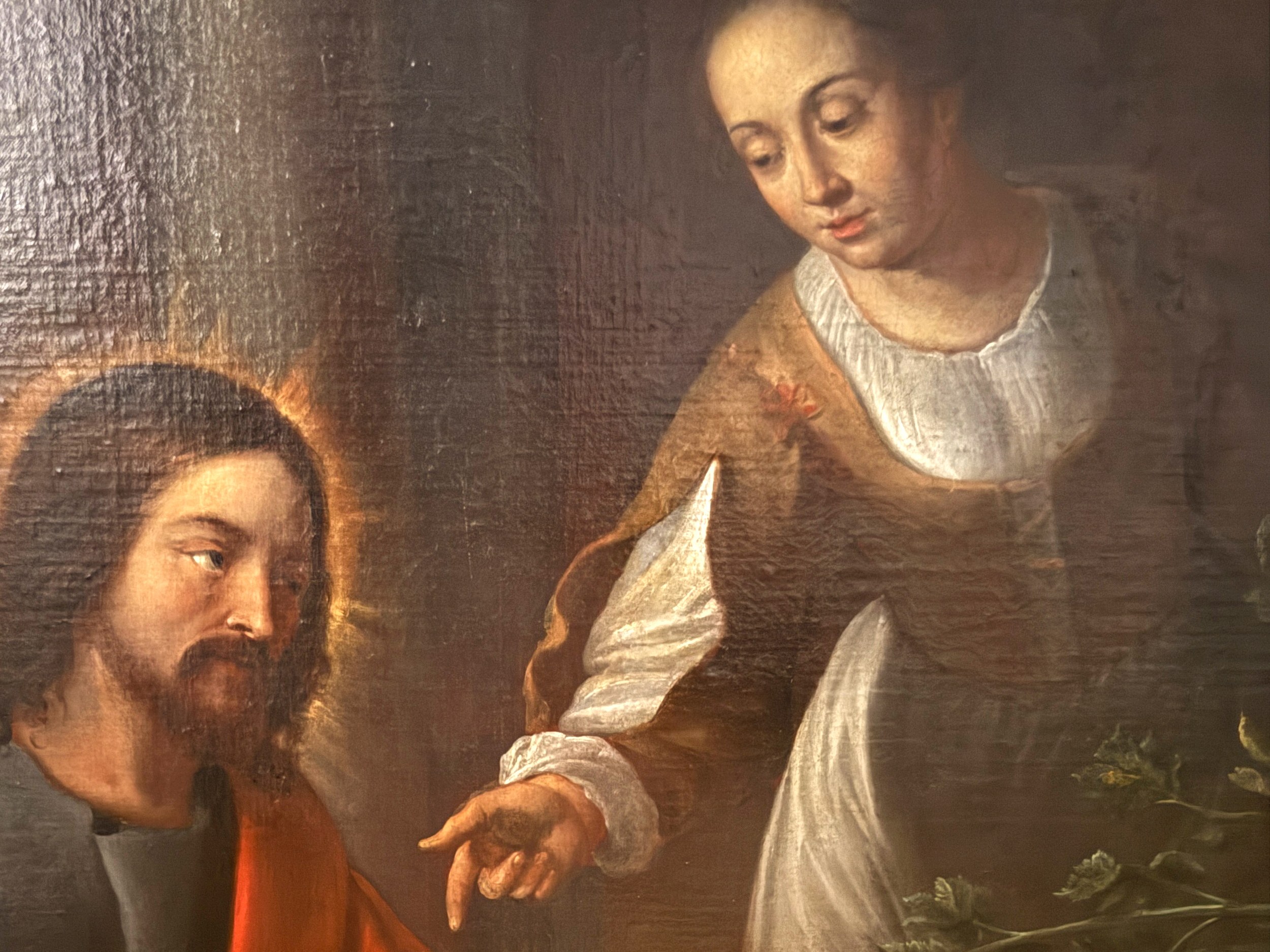
The episode recounted in the Gospel of Luke contrasts two different forms of devotion to Christ: while Martha attends to the hospitality, Mary listens to his words. When Martha asks that her sister help her with the work, Christ emphasises the particular value of listening and spiritual attentiveness. In the Christian pictorial tradition, the scene can accordingly be interpreted as a contrast between the active and contemplative life. The group of figures occupies the left half of the painting. Dressed in a blue robe and red mantle, Christ sits before an open fire and raises his left hand as he speaks. Mary kneels at his feet, her hands raised before her chest with her fingers interlaced. She is shown from behind, with only a narrow glimpse of her face in profile. Her posture directs the viewer’s gaze towards Christ. Martha stands behind him, accompanying the conversation with a pointing gesture. A column with a cornice and a draped curtain lend the scene a stately architectural setting.
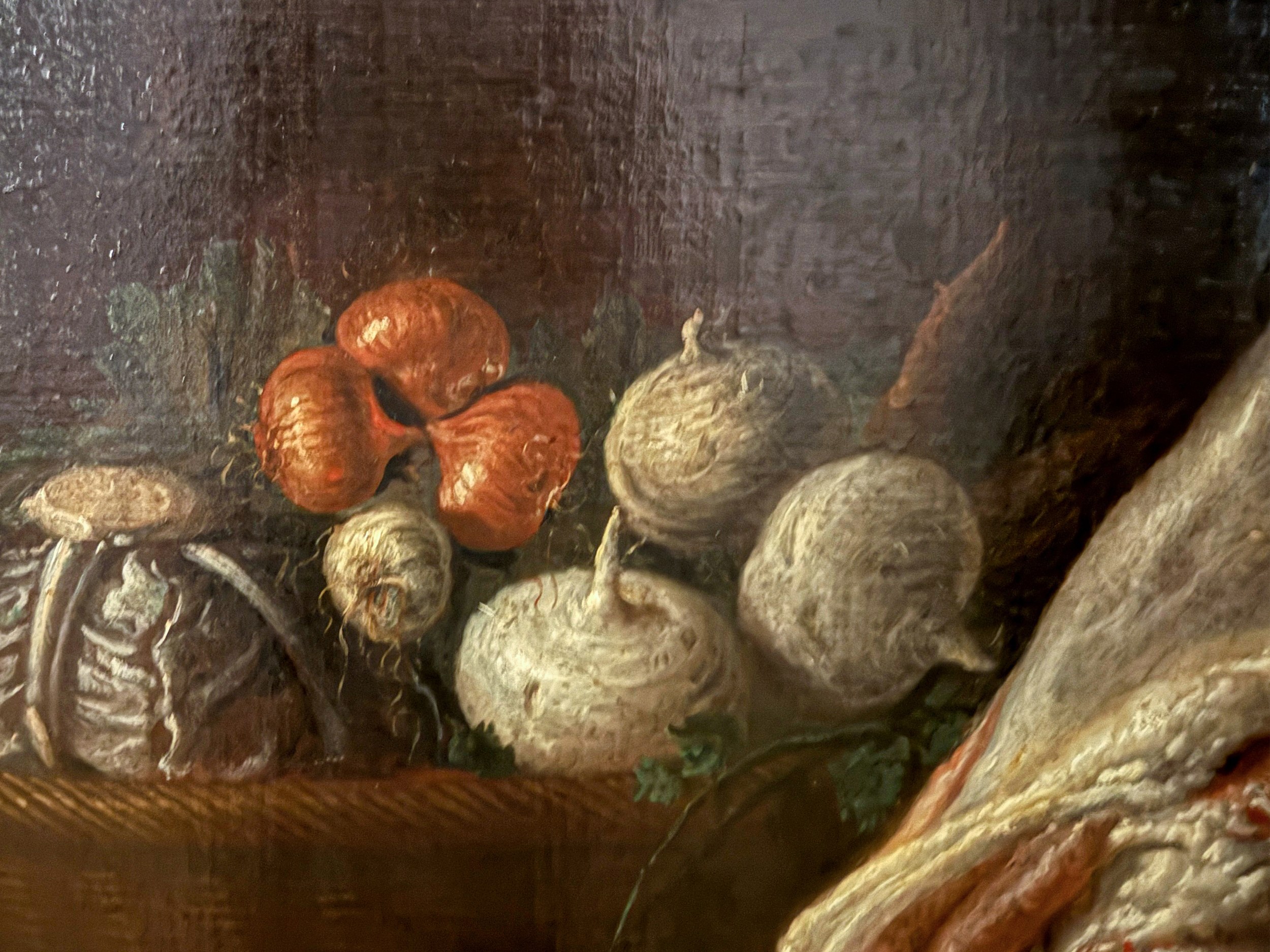
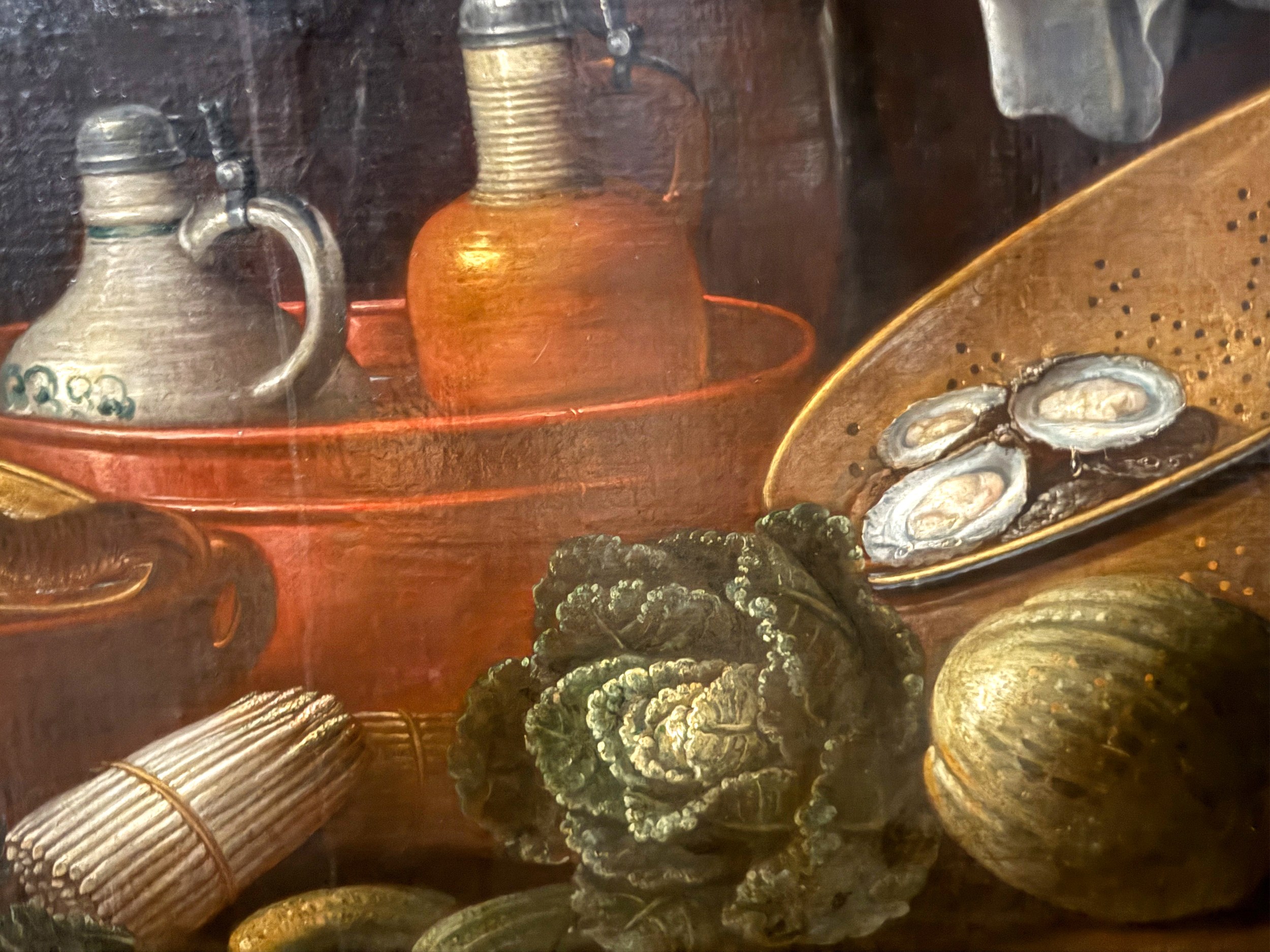
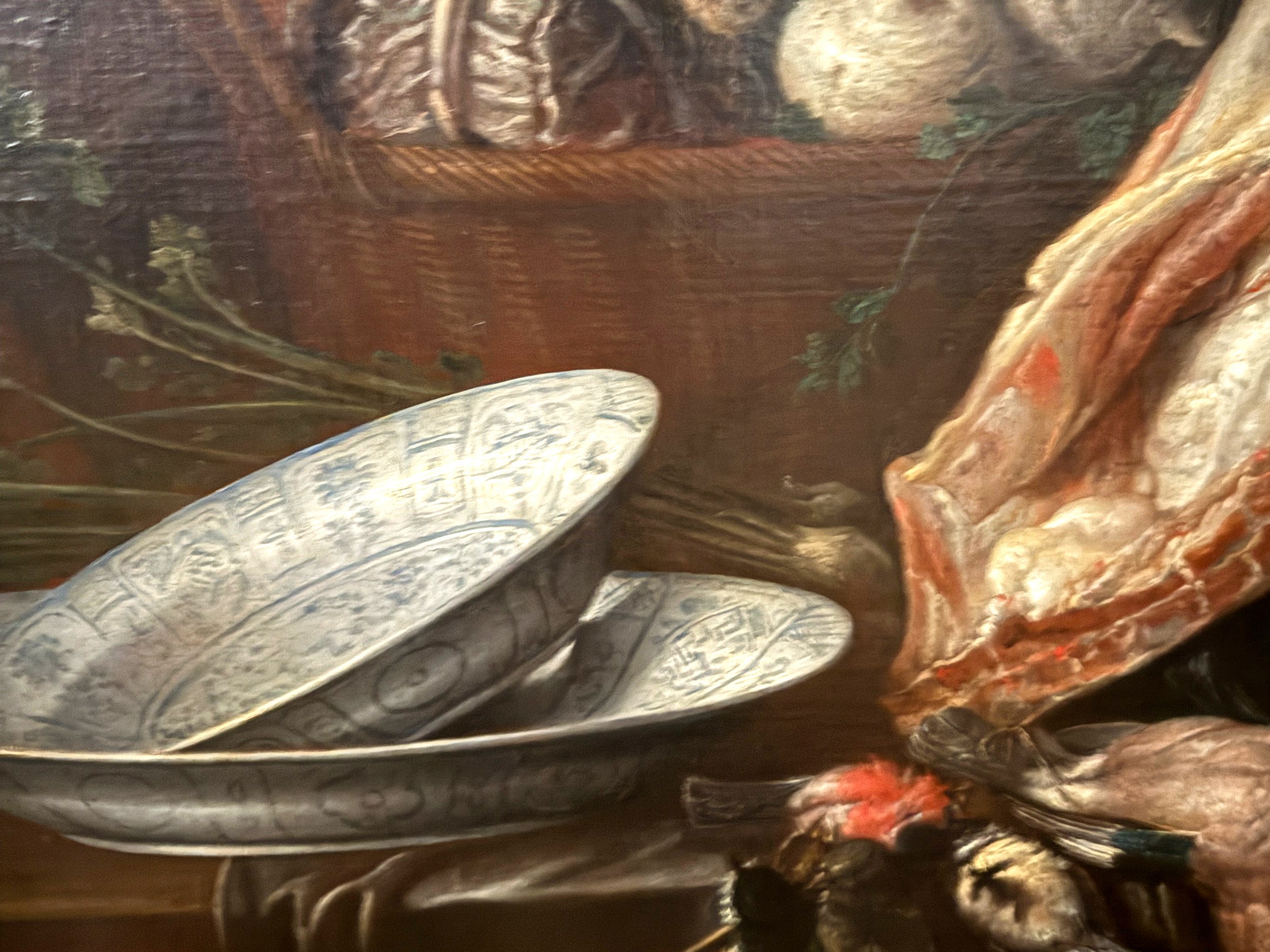
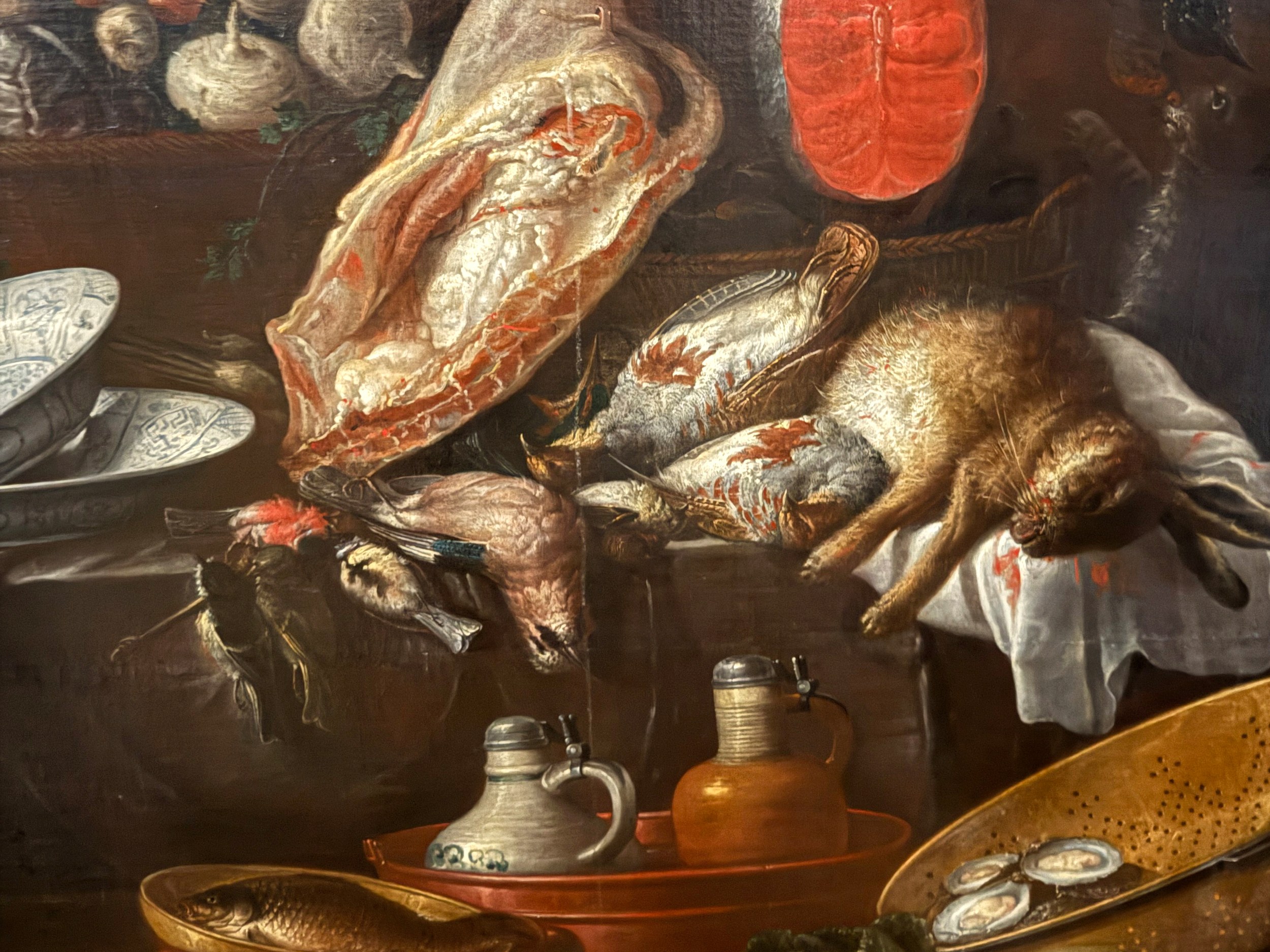
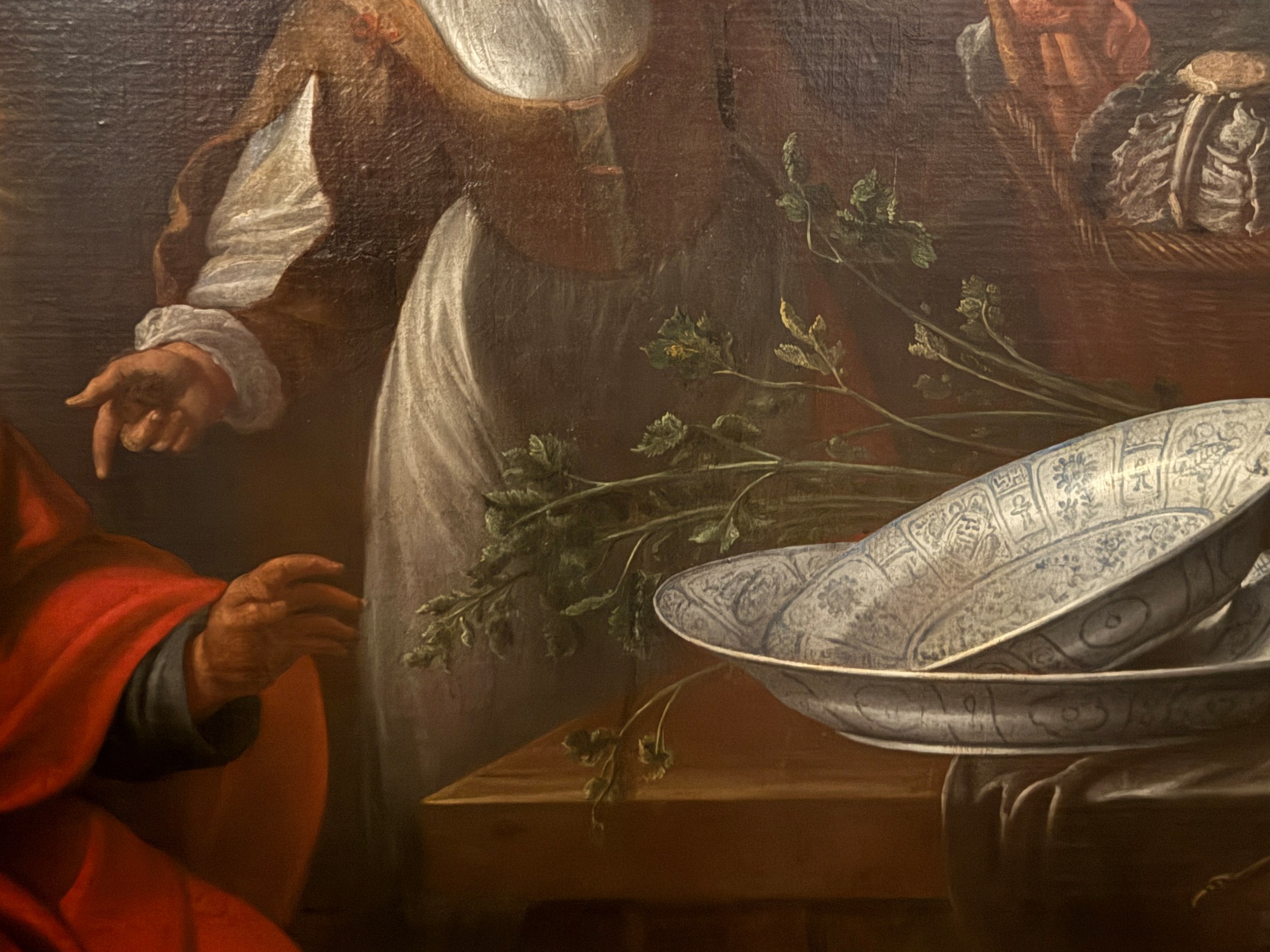
The right half of the painting is dominated by a sumptuous arrangement of food and vessels. Large blue-and-white plates and a vegetable basket filled with cabbages and kohlrabi stand alongside a pork knuckle, a hanging cut of fish, dead game birds and a dead hare. In front of the table, tubs, a bowl containing a fish and several ceramic jugs extend the composition into the foreground. A tied bundle of asparagus, cucumbers and a head of lettuce add to the abundance; opened oysters lie in a large basket-like container. The variety of forms and materials establishes the household provisions as a pictorial subject in their own right. At the same time, the profusion of food can be related to Martha’s concern with hospitality, connecting it directly to the biblical narrative.
The combination of vegetables, fish and game provides an opportunity for a nuanced rendering of textures: smooth ceramics are juxtaposed with irregular leaf shapes, gleaming oyster shells with feathers and fur. This attention to the material qualities of objects reflects essential characteristics of van Aelst’s still-life painting, particularly his game still lifes, which became renowned for their meticulous execution and compositional refinement.
Also characteristic of his work is a cool palette of blue, mauve and green tones, probably shaped by his time in France and Italy. He made an important contribution to the development of still-life painting through his asymmetrical arrangements, whose dynamic diagonals enliven the composition. This compositional approach was adopted and further developed by his successors. More than sixty known game still lifes attest to the importance of hunting themes within his oeuvre. Still Life with Dead Game of 1661 in the National Gallery of Art in Washington (inv. no. 1982.36.1) offers an illuminating comparison for the combination of game and carefully considered composition. According to Prof. Emerich Schaffran’s expert opinion of 1951, the still-life section is to be regarded as an autograph work by van Aelst. Schaffran tentatively attributes the figures to a Florentine painter with whom van Aelst may have collaborated during his time in Italy. On this assessment, the painting would represent a collaboration in which Dutch still-life painting and Italian figure painting unite in a large-scale biblical composition.








最近浏览过的
登录以查看拍品列表
收藏
登录以查看拍品列表