


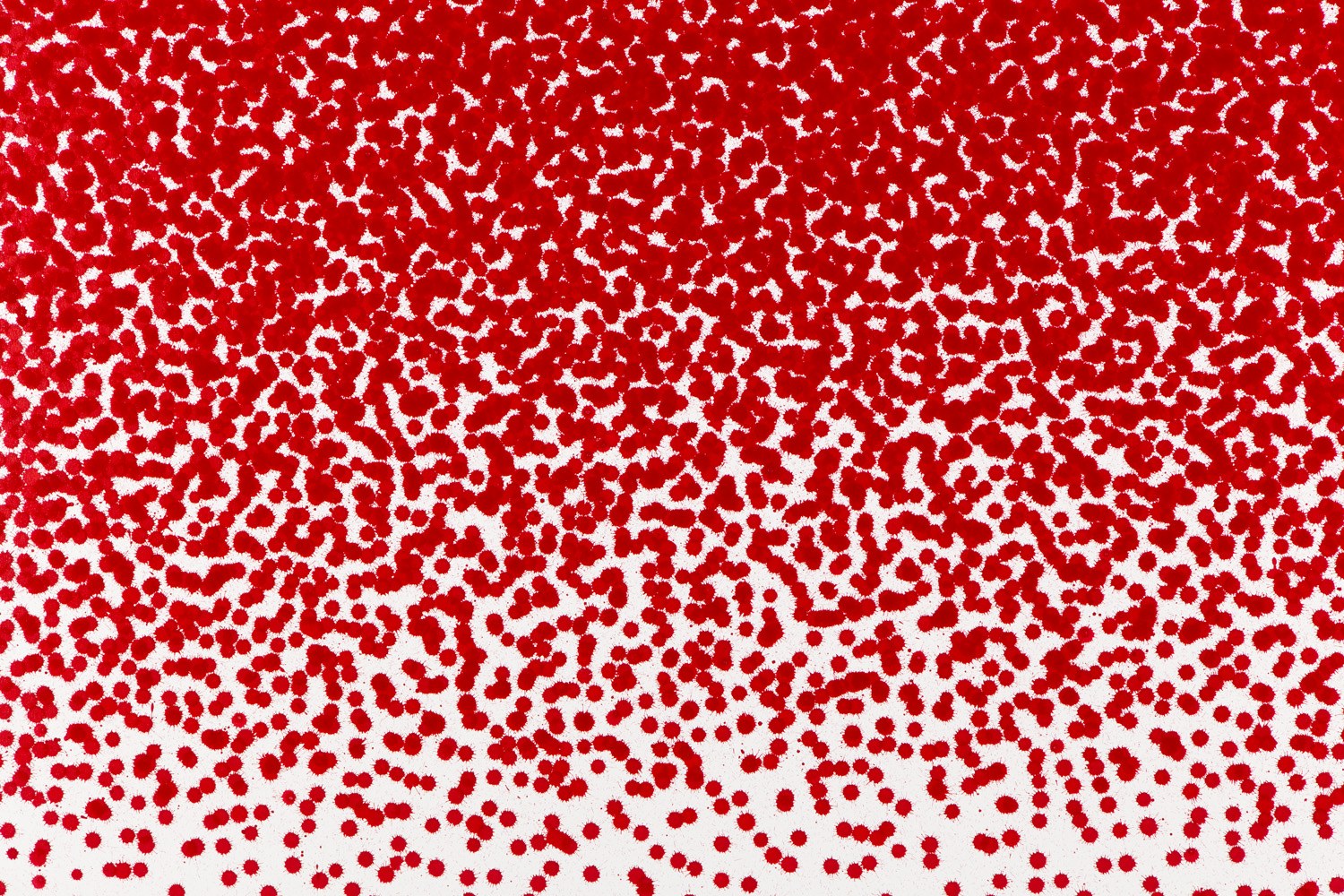


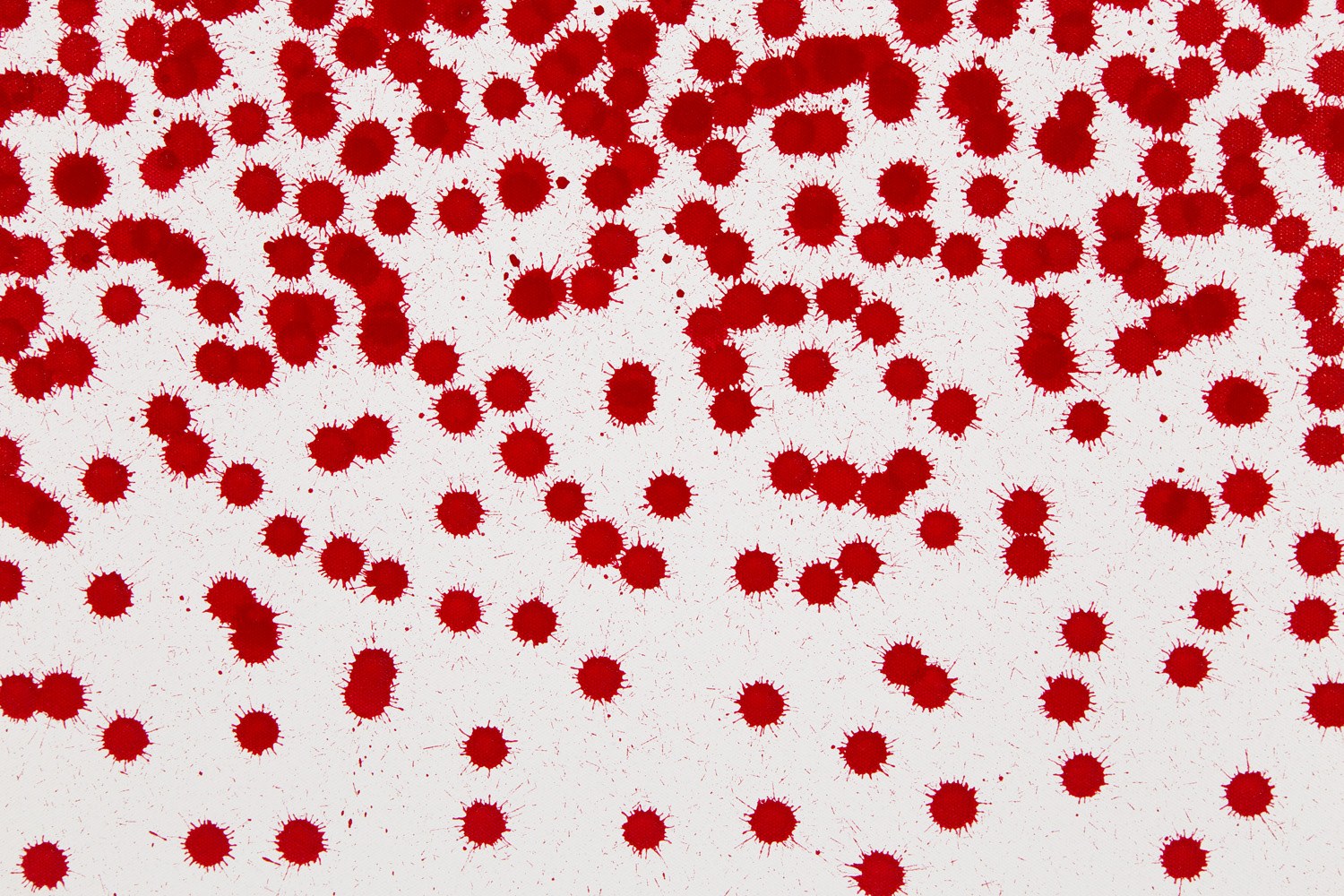

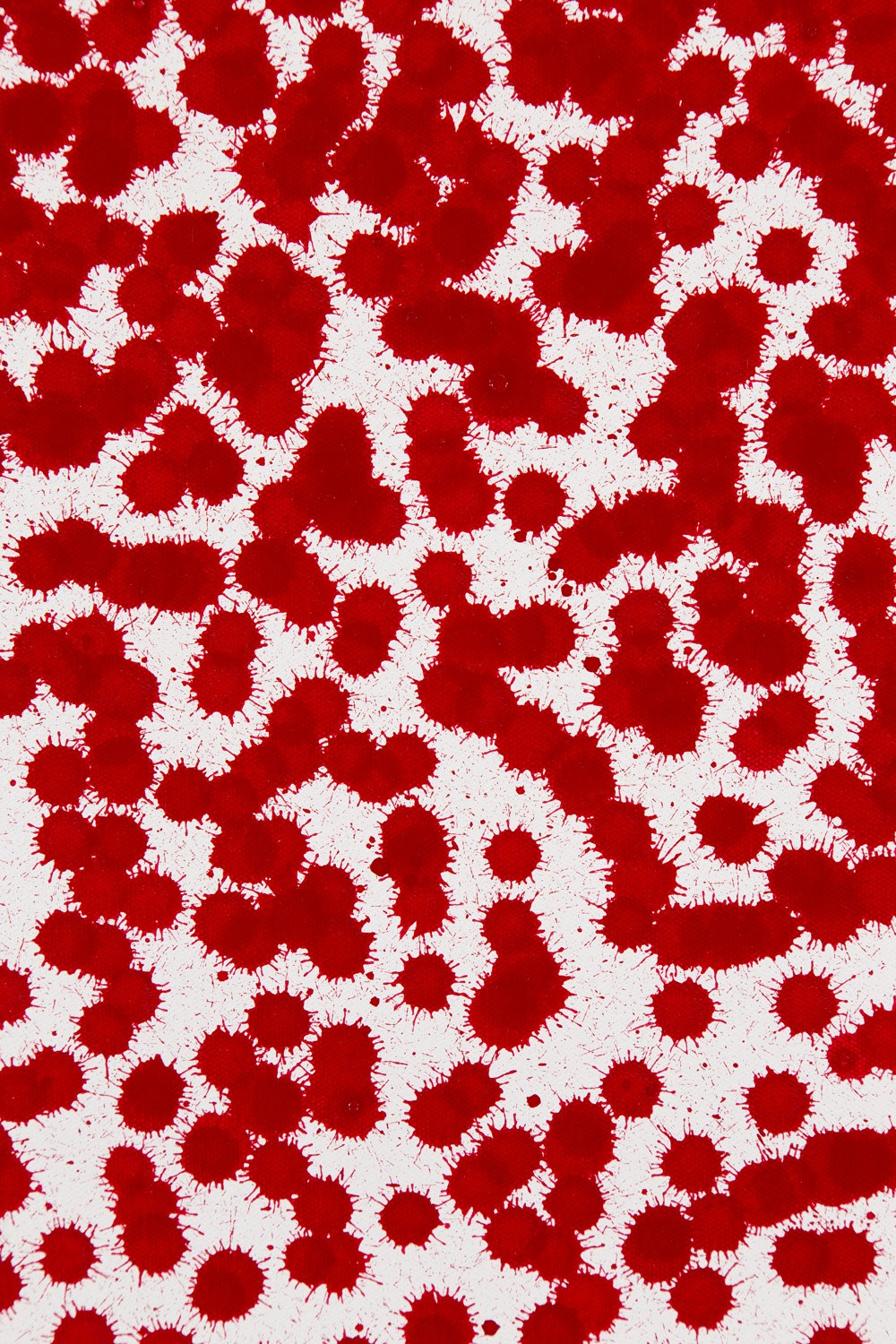
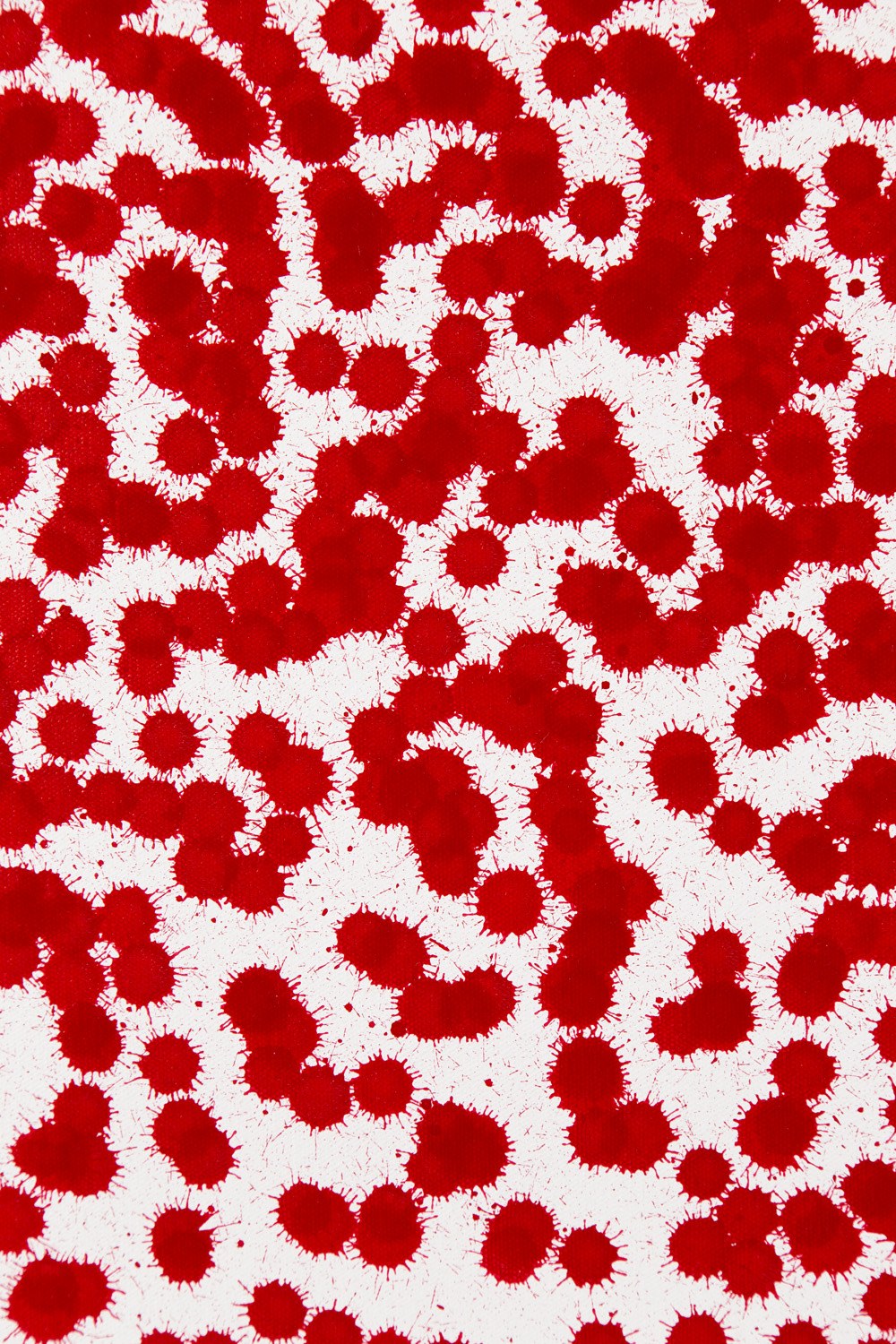


Dimensions: 152.4 x 152.4 cm
signed and dated on the stretcher: 'P.U. 2009', inscribed on the stretcher: 'UNTITLED (WARSAW UPRISING '44 - FILTERS)'
Assembly instructions on the stretcher
Provenance
purchased from the artist
private collection, Poland
Biography
Piotr Uklański is one of those painters whose artistic debut coincided with the turbulent period of transformation in the late 1980s and mid-1990s. Once regarded as an artistic rebel, today he is undoubtedly among the pantheon of Polish artists with a strong standing in the art world. He continues to consistently and courageously explore themes that many find taboo or uncomfortable. Through his art, he seeks to engage with current sociopolitical issues, drawing on various artistic media, including photography, installation, performance, and painting.
In 1991, after graduating from the Academy of Fine Arts in Warsaw, he moved to New York, where he worked as a photographer. He lives and works in New York. Uklański works in various media—from photography and installation to video and performance. He engages in an ironic, critical interplay with the seductive charm of popular culture stereotypes and visual clichés. The artist uses degraded aspects of pop culture as the material for his works, revealing their undeniable magic. His works speak as much of the spontaneous joy of beauty as they do of the sense of guilt that arises while experiencing it. Uklański finds beauty in banal and well-known things, in forgotten places or where it appears completely unexpectedly, engaging the audience in situations created to evoke a “good” mood, which in turn elicits feelings of nostalgia and sentimentality. Uklański’s “specialty” is transporting various aesthetic phenomena through time and space. The 1996 work titled DANCE FLOOR is a dance floor “borrowed” from a nightclub, pulsing with lights to the rhythm of dance music. Installed inside the gallery, it becomes an unmissable element for visitors. They are confronted with a space whose atmosphere resembles a disco, but they may feel frustrated by the fact that they are unable to fully immerse themselves in this mood. This work is also a dialogue with traditional minimalist sculpture. In 1999, Uklański, invited by the Foksal Gallery, created a mosaic on a pillar at the entrance to the “Smyk” department store in downtown Warsaw using Porcelit plates and production waste from factories in Ćmielów and Pruszków. The work was inspired by the artist’s journey through Poland, during which he noticed houses decorated with mirrors and pieces of tableware. The artist took up the kitschy style of decorating provincial architecture and applied this method in a different social and aesthetic context, transforming the scale of the project into a monumental one and elevating low culture to high culture. Uklański’s exhibition *NAZIS*, shown in November 2000 at Warsaw’s “Zachęta,” ended in scandal, with the destruction of several works and the closure of the exhibition. It featured a series of 164 color photographs depicting well-known foreign and Polish actors who played Nazi characters in films. Using a medium typical of mass culture, the artist juxtaposed cinematic images of the “evil German” that inhabit the viewer’s collective imagination. The photographs depict handsome, elegant men—tough-guy movie stars who seduce the viewer with their attractive image, thereby obscuring the truth about Nazism. As the artist himself comments on this work: “The portrayal of a Nazi in mass culture is the most striking example of the distortion of the truth about history and about people. This is all the more important to me because it is the main source of information about those times—and for many, the only one.” During the exhibition, the well-known actor Daniel Olbrychski entered the gallery with a saber and, in the presence of a prearranged television crew, slashed several of the photographs, thereby protesting the artist’s use of his on-screen image. The Minister of Culture refused to allow the exhibition to reopen.










